


Best Foam Cushions
The right cushion makes sitting more comfortable and protects skin at the same time. This range of foam cushions Australia brings together pressure care cushions, seating aids, and positioning aids in standard, high-density, and memory foam. Browse below, or call us and we will help you find the right fit.
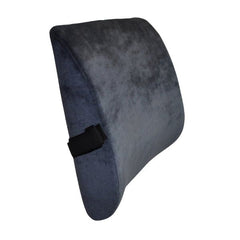
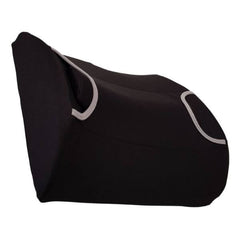
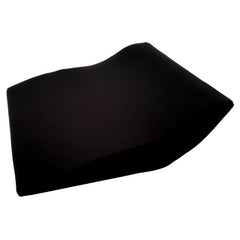
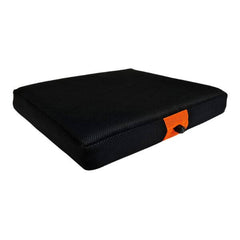
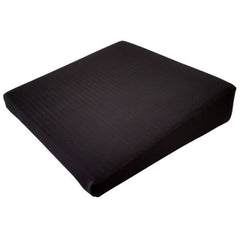
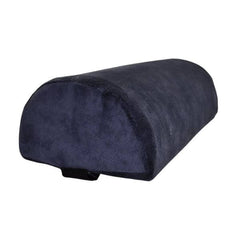
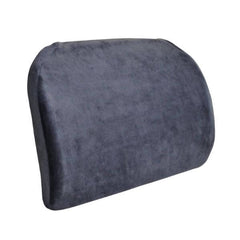
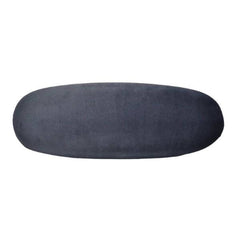
Choosing the Right Foam Cushion: Density and Type Explained
Not all foam cushions are the same. The density of the foam determines how much support and pressure relief you get — and choosing the right type means the cushion will still be doing its job months from now, not sagging flat after a few weeks. Here is what to look for.
Standard Foam Cushions
Standard foam is the most lightweight and affordable option. It provides gentle cushioning for everyday sitting in a chair or on a bed, and suits people who need basic comfort support rather than clinical pressure management. It is a practical starting point if you are setting up a home room or aged care chair and want an easy, washable seat surface.
Standard foam cushions are light to move and easy to clean. Most have a removable, machine-washable cover. If your needs change over time and you require firmer support, it is straightforward to step up to a high-density option without spending a lot.
High-Density Foam Cushions
High-density foam is firmer and more durable than standard foam. It holds its shape under sustained pressure, which makes it the better choice for anyone who sits for long stretches each day. The firmer base also provides more postural support, helping to keep the pelvis level and the spine properly aligned.
If you use a wheelchair cushion every day, or spend most of the day in an armchair, high-density foam is worth the small extra cost. It will outlast standard foam and continue to provide consistent support as the days add up.
Memory Foam Cushions
Memory foam is a viscoelastic material that responds slowly to body heat and weight. As you sit, it moulds around the shape of your hips and thighs, spreading your weight across a larger surface area and reducing pressure on the tailbone, coccyx, and bony prominences.
This makes memory foam the most effective foam type for pressure care. It is particularly suited to people who have had a pressure injury, are at risk of one, or who find standard foam uncomfortable after sitting for more than an hour. Memory foam cushions are heavier than standard foam but stay cooler and more comfortable in warm weather than gel alternatives.

Where Foam Cushions Make a Difference
Foam cushions work across a range of seating situations at home, in aged care, and in rehabilitation. Knowing where and how you will use the cushion helps narrow down the right size, shape, and density for your needs.
Wheelchair Seating
For wheelchair users, the right cushion is one of the most important parts of the seating setup. A correctly sized foam cushion keeps the pelvis stable, reduces shear and friction, and protects skin during long periods of sitting. Look for a cushion that matches your seat width closely — most standard wheelchair seats are 40 cm, 43 cm, or 46 cm wide. Contoured and high-density foam options suit wheelchair use well because they stay in position and provide consistent support throughout the day.
Chair and Lounge Comfort
A foam cushion placed on an armchair, dining chair, or orthopaedic chair can significantly improve sitting comfort for someone who experiences hip pain, tailbone discomfort, or lower back pressure during mealtimes or relaxing. Wedge-shaped foam cushions provide a gentle forward tilt that encourages a more natural posture and can reduce lower back strain.
Bed Positioning
Foam positioning cushions are also used in bed to support legs, reduce pressure on heels and ankles, or maintain a comfortable posture for people who spend extended time lying down. Leg cushions and bed wedge cushions work alongside mattress toppers for a complete pressure management setup at home.
If you are setting up a full pressure care plan, it is worth speaking with your occupational therapist about the combination of cushion, mattress, and repositioning routine that suits your situation. We are also happy to talk it through — give us a call or send us a message.

Frequently Asked Questions
What is the difference between standard foam, high-density foam, and memory foam?
Standard foam is lightweight and affordable, giving gentle cushioning for everyday sitting. High-density foam is firmer and more durable, holding its shape longer and providing stronger support for people who sit for extended periods. Memory foam moulds slowly to the body's shape, distributing weight evenly and reducing pressure on bony areas such as the tailbone and hips. If you are unsure which suits you, give us a call and we will talk it through.
Can I use a foam cushion in a wheelchair?
Yes. Foam cushions are a popular choice for wheelchair seating because they are lightweight, easy to clean, and available in a range of densities and contoured shapes. For wheelchair users who spend most of the day seated, a high-density or contoured foam cushion provides better pressure relief than a standard foam option. Your occupational therapist can advise on the right density and thickness for your specific seating setup.
How do foam cushions help with pressure care?
When you sit for long periods, pressure builds up on the areas of the body in contact with the seat, particularly the tailbone, hips, and thighs. Foam cushions spread that pressure over a wider surface area, reducing the load on any single point. High-density and memory foam variants provide the greatest redistribution. Regular repositioning and a correctly sized cushion together give the best protection for skin health.
Can I purchase foam cushions using a Home Care Package or NDIS funding?
Yes, foam cushions can often be purchased using a Home Care Package (HCP), the National Disability Insurance Scheme (NDIS), or a Department of Veterans' Affairs (DVA) plan. Contact your plan manager or DVA case officer to confirm your entitlements and request approval. Once approved, we provide a tax invoice — pay it and we ship your order straight away.