Best Raised Toilet Seats
When you're dealing with mobility issues, the simplest things can suddenly become challenging. Getting on and off the toilet? That's something most of us never think about until it becomes a daily struggle. Whether it's arthritis making your knees scream in protest, recovering from hip surgery, or just the general stiffness that comes with aging, a raised toilet seat might be the solution you didn't know you needed.
Understanding Raised Toilet Seats and Toilet Risers
Think of a raised toilet seat as exactly what it sounds like – an add-on that lifts the seating surface higher than your standard toilet. It's such a simple idea, but it makes a world of difference when bending down feels impossible.
I remember when my dad had his knee replacement. That first week home, just watching him try to lower himself onto the toilet was enough to make me wince. The raised seat we installed reduced how far he needed to bend by about 4 inches, and suddenly, something that had been excruciating became manageable.
These devices are particularly helpful for people with arthritis, folks recovering from hip or knee surgery, and seniors who find that getting up from low positions just isn't as easy as it used to be. By raising the seat height, you're reducing the strain on joints and muscles that are already complaining.
Types of Elevated Toilet Seats
Not all toilet risers are created equal, and thank goodness for that – because we all have different needs. Here's what you'll find out there:
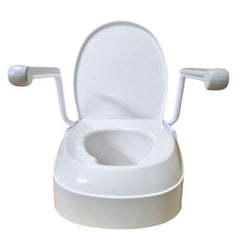
Models with Arms or Handles
You know those moments when you need something solid to push against? That's exactly what these models provide. The handles give you leverage points to help lower yourself down and push yourself up.
These are game-changers for anyone with balance issues or weakness in their legs. Some come with fixed arms that are always there when you need them, while others have removable handles if you want the option to take them off occasionally.
Locking vs. Non-Locking Risers
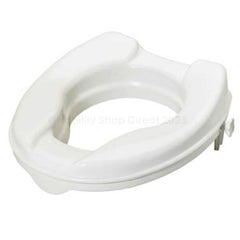
Safety first, right? Locking models use clamps or bolts to secure the seat firmly to your toilet bowl. They won't shift or slide, which is super important when you're putting your full weight on them.
Non-locking versions simply rest on top of the bowl and stay put mainly because you're sitting on them. They're easier to place and remove (nice if multiple household members have different needs), but they don't offer the same rock-solid stability as the locking versions.
Padded and Specialty Seats
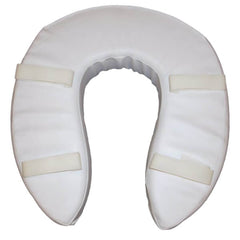
For some folks, comfort is just as important as height. If you're especially thin or spend longer periods seated, a padded raised toilet seat can be a blessing. These have a cushioned surface that's gentler on sensitive skin and can help prevent pressure sores.
There are also specialty options that include features like:
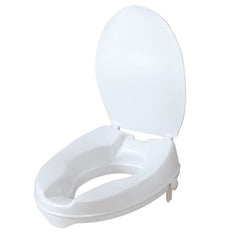
- Built-in lids (because, well, everyone appreciates a toilet with a lid)
- Splash guards (particularly helpful for men)
- Compatibility with bidets
- Heavy-duty construction for users who need higher weight capacities
How to Choose the Right Raised Toilet Seat
Finding the perfect match between you and your toilet riser isn't complicated, but it does require paying attention to a few key details:
Determine the Correct Height
This is probably the most important factor. Raised seats typically add between 2 to 6 inches of height.
Here's a simple way to figure out what you need: The ideal position is having your feet flat on the floor while your knees are bent at roughly a 90-degree angle (or with your hips slightly higher than your knees). To get this right, measure from the floor to the crease behind your knee, then subtract your current toilet height from that number.
Too high, and your feet dangle uncomfortably. Too low, and you defeat the purpose of getting the riser in the first place.
Check Toilet Bowl Shape and Size
Look down at your toilet. Is it round or more oval-shaped? This matters because toilets come in two standard shapes: round and elongated.
Getting a raised seat that doesn't match your toilet shape is like trying to put a square peg in a round hole – it just won't sit right. While some universal models claim to fit both, it's always better to match the shapes for stability and comfort.
Assess Weight Capacity
Every raised toilet seat comes with a weight rating. Standard models typically support between 250-300 pounds. If you need something more substantial, look for bariatric models designed to safely support up to 500 pounds or more.
This isn't a place to compromise – exceeding the weight capacity is dangerous and could lead to the seat breaking when you least want it to.
Consider Installation Method
How permanent do you want this solution to be? Your options range from:
- Tool-free models that you can place and remove in seconds (great for temporary situations or travel)
- Bolt-on models that replace your existing toilet seat for a more permanent solution
- Clamp-on designs that offer a middle ground – secure but removable with a bit of effort
Your choice depends on who'll be using the toilet and how long you anticipate needing the raised seat.
Key Benefits for Mobility and Safety
The bathroom is, unfortunately, where many household accidents happen. A raised toilet seat addresses several risk factors at once:
It makes the sit-to-stand motion less strenuous, which means less wobbling and less chance of losing balance. For someone with arthritis or recovering from surgery, it can mean the difference between requiring assistance and maintaining independence.
There's something deeply important about being able to handle your own bathroom needs. It preserves dignity and self-confidence during periods when you might already be feeling vulnerable. That's why doctors often recommend these as part of post-surgery recovery plans, especially after hip or knee replacements.
Installation and Safety Considerations
Securing the Toilet Riser
A wobbly toilet seat is not just annoying – it's dangerous. If you've chosen a locking model, make sure you follow the manufacturer's instructions to the letter. The mechanism should grip the toilet bowl firmly enough that the seat doesn't shift from side to side or front to back.
And here's something people often forget: check the tightness periodically. With regular use, those fasteners can gradually loosen. A quick check every couple of weeks can prevent an accident.
Cleaning and Maintenance
Let's face it – toilet hygiene is important. Most raised seats are made from durable plastics that can handle regular cleaning with standard bathroom disinfectants.
Look for models with smooth surfaces and fewer crevices where bacteria could hide. Some thoughtfully designed risers are hinged, allowing you to lift them for easier access when cleaning the actual toilet bowl.
Don't forget to clean underneath the seat regularly too – that's a spot that's easy to miss but important for maintaining proper hygiene.
Alternatives to Raised Toilet Seats
Maybe a raised seat isn't exactly what you need. There are other options worth considering:
Toilet Safety Frames
These are essentially supportive armrests that surround your existing toilet. They provide something stable to push against when sitting down or standing up without changing the height of the seat itself.
You can often combine a safety frame with a raised seat if you need both the additional height and the arm support.
Comfort Height Toilets
If you're looking at a more permanent solution, consider replacing your toilet entirely with what's called a "comfort height" or "right height" toilet. These are a few inches taller than standard toilets (typically 17-19 inches from floor to seat compared to the standard 14-15 inches).
This is obviously a bigger project than adding a raised seat, but it provides an integrated solution that looks like any other toilet – just more accessible.
Frequently Asked Questions
How do I know what height raised toilet seat I need?
You want your feet flat on the floor with your knees bent around 90 degrees or with your hips slightly higher than your knees. To find the perfect height, measure from the floor to the crease behind your knee. Then measure your current toilet seat height and subtract it from the first measurement – that's how much additional height you need.
Do raised toilet seats fit all toilets?
No, they're not one-size-fits-all. You need to match the shape of your toilet bowl (round or elongated). Some products claim to be universal, but it's always best to check the specifications before buying.
Are raised toilet seats safe?
When installed correctly and used within their weight limits, absolutely. The biggest safety concern comes from improper installation leading to instability. Models that lock onto the toilet provide the most security. Always check that the seat doesn't wobble before using it.
What is the difference between a raised toilet seat and a toilet safety frame?
A raised toilet seat increases height to reduce how far you need to bend down. A toilet safety frame provides handles to help with sitting and standing but doesn't change the seat height. Some products combine both features for maximum assistance.
How do you install a locking raised toilet seat?
Most locking models are designed for easy installation without tools. Typically, you place the seat on the bowl and turn a knob or lever that tightens a bracket against the inside of the bowl. Each model is a bit different, so follow the specific instructions that come with your seat.
When something as simple as using the bathroom becomes difficult, it can feel frustrating and even embarrassing. But remember – these challenges are incredibly common, and there are thoughtful solutions like raised toilet seats that can help you maintain your independence and dignity. The right equipment makes all the difference.