


Best Contoured Cushions
If you or someone you care for needs better sitting comfort and support, you are in the right place. This collection of contoured cushions Australia brings together pressure care cushions, seating aids, and wheelchair cushions shaped to fit the natural curves of the body. Browse below, or call us for guidance.
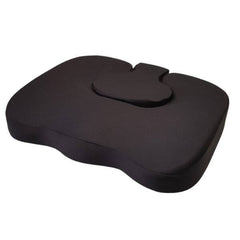
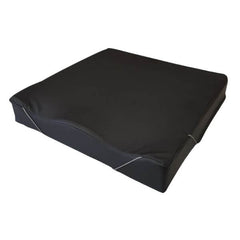
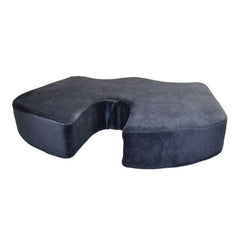
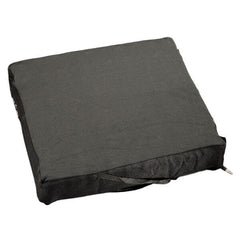
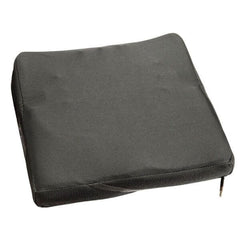
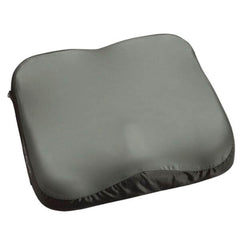
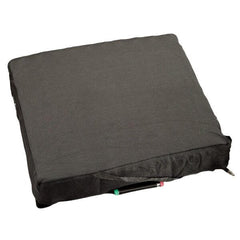
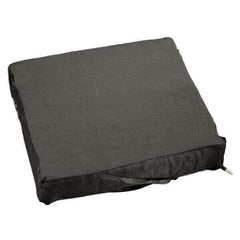
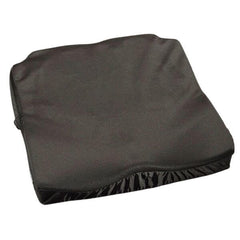
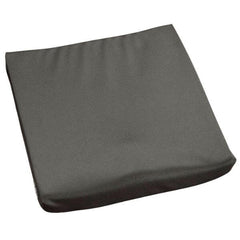
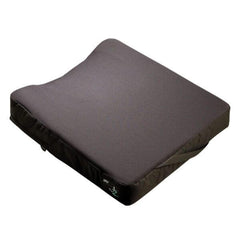
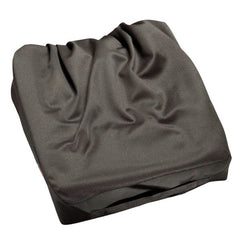
What Makes a Contoured Cushion Different?
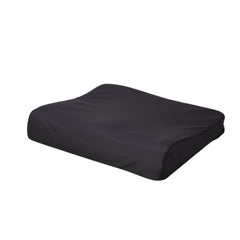
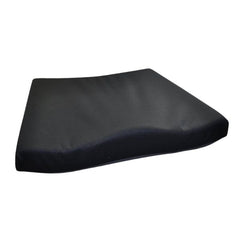
Most cushions for wheelchair users and chair sitters fall into two broad categories: flat and contoured. A flat cushion sits evenly under you and provides general padding. A contoured cushion is shaped, moulded to follow the curves of your pelvis, thighs, and lower body, so that your weight is spread across a larger surface area rather than concentrated at a few bony points. That difference matters a great deal for anyone who sits for several hours a day.
Raised Sides and Pre-Shaped Seat Areas
Most contoured cushions feature raised lateral sides that gently cradle the thighs and help keep the pelvis in a stable, centred position. The central seat area is typically pre-shaped to lower slightly, encouraging the natural forward tilt of the pelvis and reducing the tendency to slump. This combination makes it easier to maintain an upright posture without effort, which is helpful when fatigue sets in through a long day.
For anyone using a wheelchair or spending long periods in an aged care chair, that pelvic support makes a practical difference to how comfortable and alert you feel hour to hour.
Anatomical Cutouts and Weight Distribution
Some contoured cushions include an anatomical cutout, a shaped relief area beneath the ischial tuberosities (the sit bones) or the coccyx (tailbone). This cutout removes contact pressure at the most vulnerable points, where pressure injuries most commonly begin. The surrounding foam or gel then carries more of your weight across the full thigh and buttock surface, a principle called immersion and envelopment.
If you are exploring sacral cut-out cushions specifically, we have a dedicated collection. Contoured designs without a cutout are a good fit for anyone wanting improved posture support rather than targeted relief at a specific pressure point.

Choosing the Right Contoured Cushion
Here is what to look for when you are deciding between models. The two main choices are material type and cushion size. Getting these right means the cushion will work the way it is designed to, and you will actually use it every day.
Foam, Gel, or Combination: Which Works Best?
Foam contoured cushions are lightweight, easy to handle, and cost-effective. They suit most everyday uses and are the most common starting point. If you are buying for someone who is up and down throughout the day, foam is straightforward to maintain and easy to move between chairs.
Gel and foam combination cushions add a layer of viscous gel over the foam base. The gel conforms more closely to body contours, provides better pressure redistribution, and stays cooler over long sitting periods. These are often the preferred choice for full-time wheelchair users or anyone at higher risk of pressure injuries. You can explore our gel cushions collection if you are looking specifically at gel options.
Not sure which material suits your situation? An occupational therapist (OT) can assess your skin integrity, sitting posture, and daily routine and make a specific recommendation. We are also happy to talk it through on the phone if you would prefer a plain conversation before you buy.
Getting the Right Size for Your Chair or Wheelchair
Measure the seat width of the chair or wheelchair before you order. The cushion should sit within the seat frame rather than overhanging the sides, as an overhanging cushion affects stability and transfers. Standard seat widths run from around 40 cm to 50 cm for most wheelchairs and chairs. Check the product listing for the cushion's outer dimensions and compare them to your seat measurement.
If you are fitting the cushion into a wheelchair, also note the seat depth, as a cushion that is too deep will push you too far forward in the seat and compromise the support it provides. Give us a call if you are unsure, and we will help you measure correctly the first time.

Frequently Asked Questions
What is a contoured cushion and how does it differ from a flat cushion?
A contoured cushion is moulded to follow the natural curves of your body rather than sitting flat beneath you. The shaped surface encourages your pelvis and thighs into a more natural position, spreading your weight more evenly and reducing pressure concentration at the bony points. A flat cushion offers general padding; a contoured design offers targeted support and better posture correction.
Who benefits most from a contoured seat cushion?
Contoured cushions suit anyone who sits for extended periods and notices discomfort, skin redness, or poor posture. They are particularly useful for wheelchair users, people recovering from hip or back surgery, and anyone at risk of pressure injuries due to reduced mobility. An occupational therapist can assess your sitting posture and skin integrity to recommend the right cushion type for your situation.
How do I know when my contoured cushion needs replacing?
Check for visible compression or flattening where you sit. If the cushion no longer springs back to its moulded shape after you stand, or if you notice increased discomfort or skin marking, it is likely time to replace it. Most foam contoured cushions last 12 to 24 months with everyday use. Inspect the cover regularly for wear that could affect hygiene.
Can I purchase a contoured cushion using my Home Care Package or DVA entitlements?
Yes, contoured cushions can often be purchased using a Home Care Package (HCP) or Department of Veterans' Affairs (DVA) funding. Contact your provider or DVA case officer to confirm your entitlements and request approval. Once approved, we provide a tax invoice, pay it and we ship your order straight away. Give us a call if you need a quote for your provider.