


Best Bed Raisers
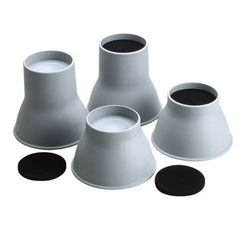
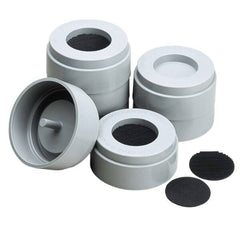
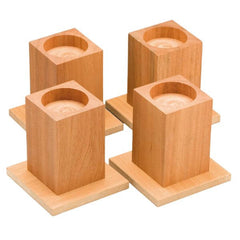
If getting in and out of bed has become harder lately, you are in the right place. Our range of bed raisers, also called bed leg raisers or bed height adjusters, are simple, affordable bedroom aids that raise the bed to a height that suits you.




Why the Right Bed Height Makes Such a Difference
Beds are often too low. A standard bed frame sits at around 45-50 cm from floor to mattress top, which is comfortable for most people in their younger years. Over time, that can change. Hip replacements, knee surgery, arthritis and reduced leg strength can all make lowering yourself onto a low bed, and pushing back up from it, feel like hard work.
Raising the bed by 50-100 mm changes the whole experience. The transfer becomes a controlled sit-and-swing rather than a lowering manoeuvre. Many people find they need less help from a carer, too.
Getting In and Out of Bed More Easily
Bed raisers fit under each leg of the bed, lifting the whole frame. Most are sold as sets of four, so the bed stays level. The right height means your feet can sit flat on the floor when you are seated at the edge, with your hips at or just above knee height. This is the position that makes standing up easiest.
A stand assist pole placed beside the bed works well alongside bed raisers. Together they give you both the height and the grip point you need for a confident transfer.
Supporting Recovery After Surgery or Injury
After a hip or knee replacement, getting onto a low bed can put strain on the operated joint. Most surgeons and occupational therapists recommend a bed height where you do not need to bend the hip beyond 90 degrees to sit down. Bed raisers are one of the quickest ways to reach that height without replacing the bed.
They are also useful during recovery from back surgery, when bending and lowering are restricted. A temporary solution that takes minutes to fit and costs a fraction of a new bed frame.

How to Choose the Right Bed Raisers for Your Bed
Here is what to look for before you buy.
Fitting and Weight Capacity
Start by measuring the diameter of your bed legs. Standard bed raisers accommodate legs up to 60 mm across. If your legs are wider or tapered, look for a model with a biscuit adaptor included. Also check the combined weight capacity: the figure needs to cover the bed frame, the mattress, and the person sleeping in it. Heavy-duty bed raisers typically support 180-250 kg.
Most models have a rubber or non-slip base to prevent movement on hard floors and carpet. This matters for safety, so check it is included rather than an optional extra.
Adjustable vs Fixed Height Bed Raisers
Fixed-height raisers come in standard increments, usually 40 mm, 75 mm and 150 mm. They are sturdy and simple. Choose the height that puts the mattress top at the right level for you.
Adjustable bed raisers let you dial in a specific height, often in 25 mm steps across a range of 50-150 mm. They suit households where the same bed is used by two people who prefer slightly different heights, or where the need may change over time. If you are not sure which height you need, our daily living aids team can help you work it out.

Frequently Asked Questions
Are bed raisers safe to use?
Yes, when used correctly. Choose a raiser rated for the total weight of the bed, mattress and user. Plastic and rubber-capped models grip the floor and resist sliding. Check that all four legs sit squarely in the cups before getting into bed.
What size bed raisers do I need?
Measure the diameter of your bed legs first. Most standard bed raisers fit legs up to 60 mm in diameter. For wider or tapered legs, look for a model that includes a biscuit adaptor. Standard heights range from 40 mm to 150 mm.
Can I use bed raisers with an adjustable base or electric bed?
Generally, no. Bed raisers are designed for beds with individual legs, not slatted frames or electric bases. If you use an adjustable base, browse our electric beds for seniors for purpose-built height solutions.
Can I get bed raisers funded through a Home Care Package or NDIS?
Bed raisers are often approved as assistive technology under a Home Care Package (HCP) or NDIS plan. Your occupational therapist can recommend the right model and support your funding application. Read our NDIS guide or contact us and we can help with a quote.