Best Daily Living Aids
Understanding Daily Living Aids for Independent Living
You know that feeling when a simple task suddenly becomes challenging? Whether it's buttoning a shirt with arthritic fingers or stepping safely into the shower after surgery, these everyday moments can become frustrating barriers to independence. That's where daily living aids come in.
Daily living aids are essentially practical tools designed to help people perform everyday tasks with greater safety and independence. They support both basic self-care activities (Activities of Daily Living or ADLs) like bathing and dressing, as well as more complex tasks (Instrumental Activities of Daily Living or IADLs) like cooking or managing medications.
But these aren't just practical tools—they're actually freedom tools. They're about maintaining dignity and autonomy in your own home, doing things your way, on your schedule.
Who Can Benefit from Assistive Devices?
Really, anyone might need these aids at some point in life. Most commonly, they help:
- Older adults experiencing those natural age-related changes in strength, mobility, or balance
- People recovering from surgery or injury (think knee replacements or broken wrists)
- Individuals with ongoing conditions like arthritis, Parkinson's, or vision loss
- Anyone with permanent or temporary disabilities affecting daily function
The beauty of these aids is that they're not about dependence—they're actually about extending independence by working around limitations rather than surrendering to them.
Types of Daily Living Aids by Function
Bathroom Safety Aids
Let's be honest—bathrooms can be danger zones with all those hard, slippery surfaces. Bathroom aids create safer environments with products like:
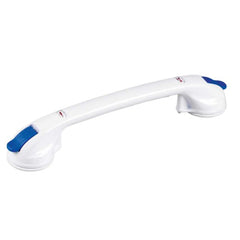
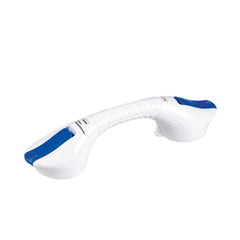
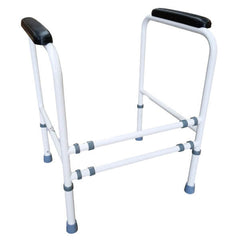
- Grab bars that provide stable handholds near toilets, showers, and tubs
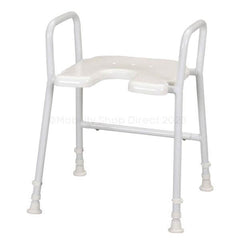
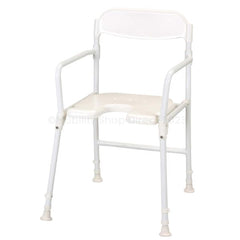
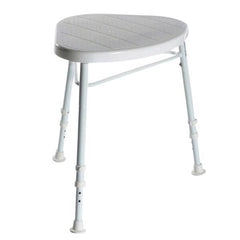
- Shower chairs so you can sit safely while bathing
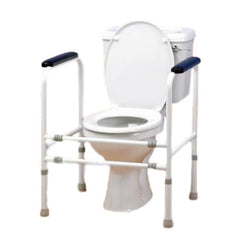
- Raised toilet seats that reduce the strain of sitting and standing
- Transfer benches for safe tub entry and exit
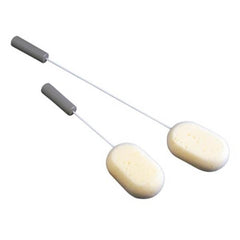
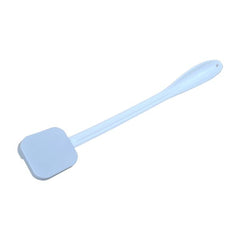
- Long-handled sponges that extend reach without awkward twisting
These simple additions can transform a risky bathroom routine into a comfortable, confident experience.
Mobility and Walking Aids
When moving around becomes challenging, mobility aids offer varying levels of support:
- Canes and walking sticks provide light balance assistance
- Walkers offer more substantial stability for those who need it
- Rollators (walkers with wheels) add easier movement plus a seat for rest breaks
- Wheelchairs and scooters for those unable to walk distances
Choosing the right mobility aid is crucial—too little support is unsafe, while too much might unnecessarily limit independence and strength.
heo
Dressing and Grooming Aids
Getting dressed might seem simple until you can't reach your feet or manage small buttons. Dressing aids include:
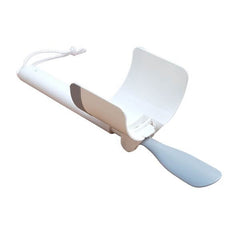
- Sock aids that help slide socks on without bending
- Long-handled shoe horns to help with footwear
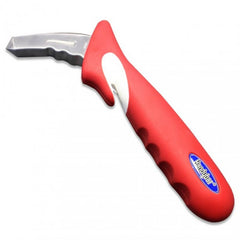
- Button hooks for handling small buttons with limited dexterity
- Elastic shoelaces that convert lace-up shoes to slip-ons
- Dressing sticks to help pull clothes on without straining
These tools can transform a frustrating morning routine into a manageable, independent start to the day.
Kitchen and Dining Aids
The kitchen is full of activities requiring grip strength, fine motor skills, and reaching—all challenging for many people. Kitchen aids include:
- Easy-grip utensils with larger, ergonomic handles
- Rocker knives for one-handed cutting
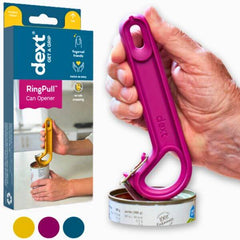
- Jar openers that reduce the need for strong grips
- Kettle tippers that eliminate the need to lift heavy, hot kettles
- Perching stools that provide support while standing for longer periods
These tools make meal preparation less exhausting and more enjoyable.
Bedroom and Transfer Aids
Getting in and out of bed can become surprisingly difficult with age or disability. Helpful bedroom aids include:
- Bed rails that provide a handle for repositioning and sitting up
- Overbed tables for convenient access to items without reaching
- Leg lifter straps to help move legs into and out of bed
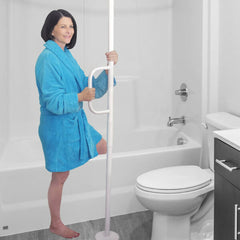
- Transfer poles that provide stable support for standing
These aids reduce the risk of falls while promoting independence in the bedroom.
Medication Management Aids
Taking the right medication at the right time is crucial for health but can be confusing. Medication aids help with:
- Daily pill organisers sorted by day and time
- Automatic pill dispensers with alarms and reminders
- Pill crushers for those who struggle to swallow tablets
- Pill splitters for accurate dosing
These tools reduce medication errors and help maintain proper treatment schedules.
Low Vision and Sensory Aids
When vision or hearing diminishes, specialized tools can help:
- Magnifying glasses with built-in lights for reading
- Large-print or talking clocks and watches
- Big button phones and remotes
- Tactile markers for appliance controls
- Listening devices for television and conversation
These aids help maintain connection and independence despite sensory challenges.
Aids for Specific Health Conditions
Aids for Arthritis and Weak Hands
Arthritis can make simple gripping and twisting motions incredibly painful. Specialised aids focus on reducing joint strain with:
- Ergonomic tools with larger, soft-grip handles
- Electric can and jar openers
- Button hooks and zipper pulls
- Tap turners to avoid painful twisting
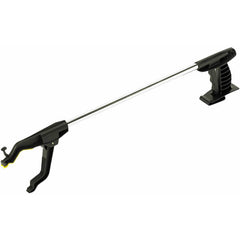
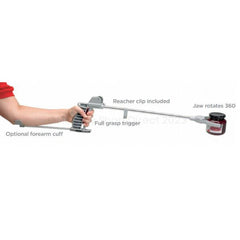
- Long-handled reachers to avoid bending
These tools work around joint pain rather than forcing painful movements.
Aids for Parkinson's and Tremors
The tremors and coordination challenges of Parkinson's require specific solutions:
- Weighted utensils that stabilise hand tremors
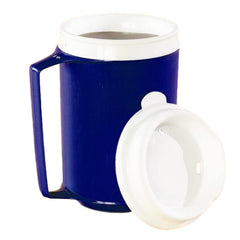
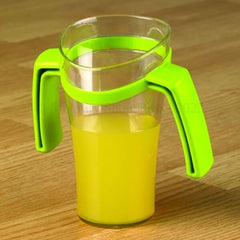
- Spill-proof cups with special lids
- Easy-grip pens for clearer writing
- Walking stabilisers for improved balance
- Voice-activated technology to reduce the need for fine motor control
These aids help maintain independence despite tremors and coordination issues.
Aids for Dementia and Alzheimer's
Memory and cognitive challenges require different approaches:
- Medication dispensers with timed alarms
- Simplified phones with photo buttons
- Calendar clocks showing the day, date, and time clearly
- Location trackers for wandering prevention
- Labelled cabinets and drawers for easy identification
These tools support routine and safety while reducing confusion.
How to Choose the Right Daily Living Aid
Key Evaluation Factors
Finding the right aid isn't just about addressing a problem—it's about finding a solution that works for your specific situation:
- Consider the material durability—will it last with daily use?
- Check adjustability—can it accommodate your specific height and size?
- Look at ergonomics—does it work with your body or against it?
- Evaluate ease of use—complicated aids often go unused
- Think about maintenance—how easy is it to clean and store?
- Read user reviews—others' experiences can reveal real-world performance
And most importantly, think about your specific environment. A perfect aid in the wrong setting won't help.
The Role of Occupational Therapists
Look, there's a reason occupational therapists (OTs) exist. These health professionals specialize in helping people participate more fully in daily activities. An OT can:
- Assess your specific abilities and challenges
- Evaluate your home environment
- Recommend aids that match your needs precisely
- Demonstrate proper use of equipment
- Suggest modifications to your techniques or environment
The right OT can save you money and frustration by helping you get the right solutions the first time.
Frequently Asked Questions (FAQs)
What are the most common daily living aids for seniors?
Common daily living aids for seniors focus on safety and mobility. These often include bathroom aids like grab bars and shower chairs, mobility aids such as walkers or canes, and kitchen aids like jar openers. Reachers and grabbers are also very common for retrieving items without bending or stretching.
How do I know which mobility aid is right for me?
Choosing the right mobility aid depends on your specific balance, strength, and endurance. A cane is for minor balance support, a walker provides more stability, and a rollator adds wheels for easier movement plus a seat for rest. It is recommended to consult with a doctor or occupational therapist for a professional assessment.
What is the difference between daily living aids and assistive technology?
Daily living aids are a type of assistive technology. The term 'assistive technology' is a broad category that includes any item, piece of equipment, or system used to increase, maintain, or improve the functional capabilities of individuals with disabilities. Daily living aids are specifically focused on supporting activities of daily living like dressing and bathing.
Can I get funding for daily living aids or assistive equipment in Australia?
In Australia, funding for assistive equipment may be available through various government schemes and programs, such as the National Disability Insurance Scheme (NDIS) for eligible participants or the Department of Veterans' Affairs (DVA) for veterans. Eligibility criteria and funding arrangements vary between programs. It is advisable to consult the relevant agency or a health professional for specific information.
What are ADLs and IADLs?
ADLs stand for Activities of Daily Living and refer to basic self-care tasks like bathing, dressing, eating, and moving. IADLs stand for Instrumental Activities of Daily Living and are more complex tasks required for independent living, such as managing finances, preparing meals, and using transportation.