


Best Air Cushions
If you or someone you care for needs reliable protection against pressure injuries, you are in the right place. This collection of air cushions Australia brings together pressure care cushions, wheelchair cushions, and pressure injury prevention options (static and alternating) chosen for their pressure redistribution performance. Browse below, or call us to talk it through.

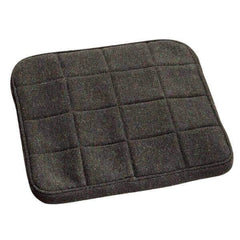
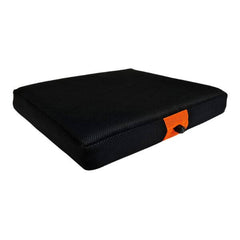

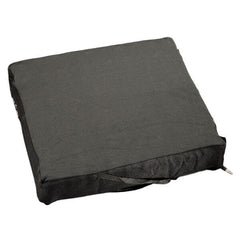
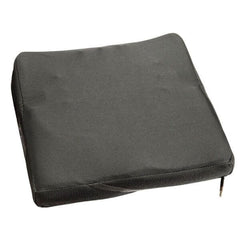
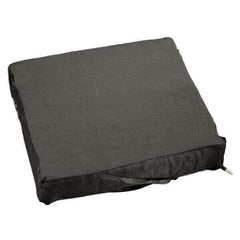
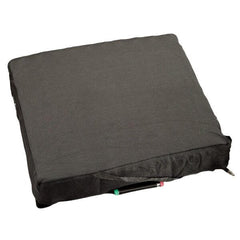
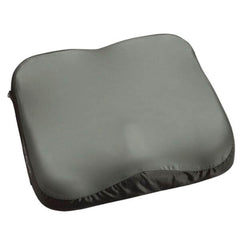
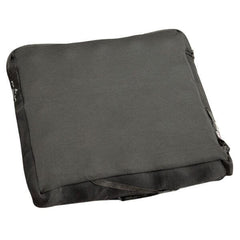
Static Air Cushions vs Alternating Air Cushions: Which Is Right for You?
When you look at wheelchair cushions for pressure management, two types of air cushion stand out. Both work by conforming to the body's shape and redistributing pressure away from vulnerable areas, but they do it in different ways. Here is what to look for so you can find the right fit.
Static Air Cushions
A static air cushion is filled with interconnected air cells. Once inflated to the correct firmness for your body weight and build, the cells flex and shift as you move, spreading pressure across a wider surface area than foam or gel alone. The air cells deform under your sitting bones and reform as you shift position, keeping blood flowing to the skin and tissue underneath.
Static cushions are lighter, simpler, and more portable than alternating models. They suit people who are mobile enough to shift their weight regularly throughout the day and who are at moderate risk of pressure injury. Many are compatible with most standard wheelchair frames. Check the seat width and depth before ordering, and look for a removable, washable cover.
Alternating Air Cushions
An alternating air cushion connects to a small pump that cycles air between separate cell groups on a timed programme, typically every few minutes. This means the pressure contact points shift continuously, even if you are not moving at all. It is the highest level of pressure relief available in a seated cushion and is often recommended by occupational therapists for wheelchair users who are at high risk of pressure injury or who are unable to reposition themselves independently.
If your OT has recommended a dynamic pressure cushion, or if you have an existing pressure injury that needs active management, an alternating cushion is worth considering. The pump is compact and designed to run quietly throughout the day.

How to Choose the Right Air Cushion
The right air cushion depends on your level of risk, how much time you spend seated, and the wheelchair or chair you use. These three questions will help you narrow it down.
Who Benefits Most from an Air Cushion?
Air cushions are most commonly recommended for people who spend several hours a day seated in a wheelchair and who are at risk of pressure injuries due to limited mobility, reduced sensation, poor circulation, or fragile skin. They are also a practical choice for anyone recovering from a pressure injury who needs to keep sitting comfortably while protecting healing tissue.
Your occupational therapist (OT) or GP is the right person to assess your specific risk level. If you have already had a recommendation and are now choosing the cushion, give us a call. We can help you match the product to what you have been prescribed.
Getting the Inflation Right
A correctly inflated air cushion makes the difference between effective pressure relief and none at all. Sit on the cushion in your normal position and slide your hand, palm up, beneath your sitting bones. You should feel around 25 mm of cushion between your hand and your body. Too firm and it offers less immersion; too soft and you risk bottoming out onto the seat base.
Most air cushions come with a hand pump and a valve for easy adjustment. If you are setting up an alternating cushion, the pump handles this automatically. You set the cycle time and firmness to match your needs. We are happy to walk you through the setup over the phone if you need a hand.
Covers, Sizing, and Compatibility
Most air cushions in this collection come with a two-way stretch cover that allows the air cells to move freely while protecting the cushion from moisture and soiling. Check that the cover is machine washable. This is important for daily hygiene in a care setting.
For sizing: measure your wheelchair seat from side to side (width) and from front to back (depth). Match these measurements as closely as possible to the cushion dimensions listed. A cushion that overhangs the seat frame will not perform correctly. If you are unsure, look at the full range of wheelchair cushions. Our team can help you match the right size to your chair.

Frequently Asked Questions
How does an air cushion help prevent pressure injuries?
An air cushion works by conforming to the shape of your body, spreading your weight across a wider surface area and reducing the peak pressure on any single point. This improved pressure redistribution helps maintain blood flow to skin and tissue, which is the key mechanism in preventing pressure injuries. Static air cushions do this through interconnected air cells; alternating air cushions go further by cycling between inflated and deflated cells to keep pressure constantly moving.
What is the difference between a static air cushion and an alternating air cushion?
A static air cushion uses a fixed volume of air in interconnected cells. Once inflated to the right firmness, it holds that shape and redistributes pressure passively as you shift your weight. An alternating air cushion has a small pump that cycles air between cells on a timed schedule, actively shifting the pressure contact points every few minutes. Static cushions are lighter and more portable; alternating cushions offer a higher level of pressure relief and are often recommended for people at higher risk of pressure injury.
How do I know if the air cushion is inflated correctly?
Sit on the cushion in your usual seated position. Slide your hand, palm up, under the cushion beneath your sitting bones. You should feel approximately 25 mm of air cushion between your hand and your body. If you can feel your bones easily, add a small amount of air. If the cushion feels very firm with no give, release a little air. Your occupational therapist can help you set it up correctly the first time.
Can I fund an air cushion through my NDIS plan or Home Care Package?
Yes, air cushions can often be purchased using NDIS funding or a Home Care Package (HCP). Contact your NDIS plan manager or your Home Care Package provider to confirm your entitlements and request approval before ordering. DVA-eligible customers should speak with their DVA case officer. Once approved, we provide a tax invoice. Pay it and we ship your order straight away.
You are also in the right place if you are searching for
air wheelchair cushion Australia
inflatable seat cushion pressure relief
alternating air cushion Australia
static air cushion wheelchair
air cell cushion pressure care
pressure care cushions
```