Welcome

Best Shower Chairs For Elderly and Disabled People

Enhance Bathroom Safety with Shower Chairs

You know that moment when you step into the shower and your foot slides just a bit on the wet floor? That quick heart-in-your-throat feeling? Now imagine dealing with that every single day because standing in the shower isn't something you can take for granted.

Shower chairs might seem like a simple bathroom accessory, but for many people, they're the difference between bathing independently with confidence and dreading the daily shower routine. These seats provide crucial support for seniors, people recovering from surgery, or anyone living with mobility challenges who might struggle to stand safely during a shower.

I've talked with folks who resisted getting a shower chair for years because it felt like giving in to limitation—until they finally tried one and wondered why they waited so long. The right shower seat doesn't just prevent dangerous falls; it gives back dignity and independence that many of us don't realize is precious until it's compromised.

Types of Shower Seating Solutions

Finding the right shower seat isn't one-size-fits-all. Your choice really depends on who'll be using it, how much support they need, and what your bathroom looks like. Let me break down the main options so you can see what might work best for your situation.

Standard Shower Chairs and Stools

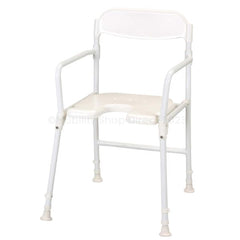
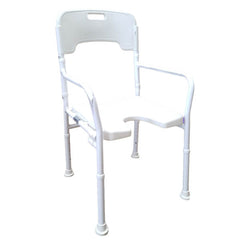
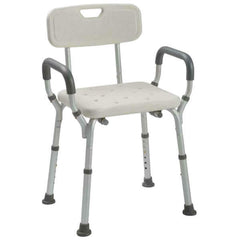
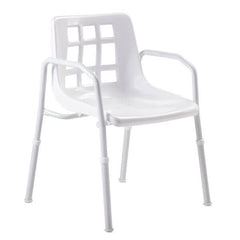
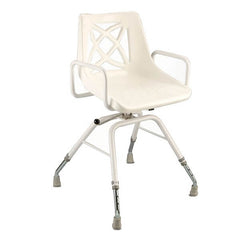
Standard shower chairs are probably what you picture first—they have a seat, four legs, and usually a backrest for support. Think of them as the "basic model" that works well for most people.

Shower stools, on the other hand, skip the backrest. They're more compact, which makes them perfect if your shower is on the smaller side or if the user has decent core strength and balance. Many people love folding models because they can tuck them away when guests come over or take them along when traveling. I've had clients who keep one shower chair at home and another at their vacation house—practical solutions make life easier.

Shower Transfer Benches

If you're dealing with a bathtub rather than a walk-in shower, transfer benches are game-changers. These wider benches have a smart design—two legs sit inside the tub and two outside. This setup creates a bridge over the tub wall.

The beauty of a transfer bench is how it changes the bathing routine. Instead of having to lift your leg high over the tub edge (which can be risky even for people with good balance), you simply sit on the bench outside the tub, then slide yourself across and into the bathing area. Some even have sliding seats that make the process even smoother. For someone recovering from hip surgery or with limited leg mobility, this design removes one of the most dangerous moments in the bathroom routine.

Wheeled Shower Chairs and Commodes

For users with significant mobility challenges, wheeled shower chairs offer a complete solution. These can be rolled directly from bedroom to bathroom to shower, eliminating multiple transfers that might otherwise require assistance.

Some wheeled models do double-duty as commodes, combining shower seating with toilet functionality. While that might sound a bit utilitarian, it's honestly revolutionary for users and caregivers alike. Think about it—fewer transfers means less strain on everyone involved and more independence for the user. I remember one family telling me this type of chair cut their morning routine time in half and reduced their anxiety about bathroom safety considerably.

Wall-Mounted Shower Seats

If floor space is at a premium in your bathroom (and whose isn't?), wall-mounted seats offer an elegant solution. These attach directly to your shower wall and fold up when not in use.

I particularly like these for multi-generational households where not everyone needs seating support. When folded up, they're barely noticeable, but they're right there when needed. Just remember that proper installation is crucial—this isn't a DIY weekend project unless you really know what you're doing. The seat needs to be securely anchored to support a person's full weight reliably.

Key Features to Consider When Choosing a Shower Chair

Let's dig into what makes a good shower chair actually work for someone's specific needs. It's not just about having a seat—it's about finding something that feels safe, comfortable, and practical for daily use.

Support and Stability Features

Arms on a shower chair aren't just for comfort—they provide crucial leverage for sitting down and standing up safely. For someone with arm strength but wobbly legs, being able to push up from armrests can make the difference between needing help and managing independently.

Backrests are another feature that might seem optional but make a huge difference in practice. Without back support, users tend to fatigue faster and might unconsciously lean back, creating a fall risk. I once worked with a gentleman who insisted he only needed a simple stool until he tried a chair with a backrest—the relief on his face was immediate as he realized how much energy he'd been using just to stay upright.

Adjustability, Sizing, and Weight Capacity

Height adjustability matters more than you might think. When a shower chair is set at the proper height, the user's feet should rest flat on the floor with thighs roughly parallel to the ground. This position provides optimal stability and makes standing up safer.

And let's talk about weight capacity, because this is non-negotiable. Standard chairs typically support around 250-300 pounds, but bariatric models can support 400-600+ pounds. Always check the specifications and choose a chair rated well above the user's weight—this isn't just about whether the chair will break, but about how stable it feels during use. A chair that's properly rated doesn't flex or wobble, which builds confidence for the user.

Construction Materials

The materials in a shower chair need to stand up to constant moisture without corroding or deteriorating. Most frames are made from lightweight aluminum that won't rust, while seats and backrests typically come in molded plastic with drainage holes to prevent water from pooling.

For a more upscale look, teak shower benches offer natural water resistance with a warm, spa-like aesthetic. They're beautiful but typically cost more than standard medical models. I've seen bathrooms where the teak bench looks so nice that it seems more like a design choice than adaptive equipment, which some users really appreciate.

Safety and Convenience Mechanisms

Non-slip feet are absolutely essential—rubber tips or suction cups help prevent the chair from sliding on wet surfaces. This might seem obvious, but I've seen cheaper models that skimp here, and it's simply not worth the risk.

Some chairs offer padding for extra comfort, which is particularly important for users who are thin or have sensitive skin. Swivel seats allow users to turn without twisting their bodies, making it easier to reach shampoo bottles or other bath items. And don't overlook the value of a folding mechanism if storage space is limited or if you'll be transporting the chair between locations.

Choosing the Right Shower Seat for Your Bathroom

Finding the perfect match means considering both the person using the chair and the bathroom where it will live. Let's look at how to align these factors.

Matching the Chair to User Needs

Start by honestly assessing mobility, balance, and strength. Someone who just needs a quick rest during a shower might do fine with a simple stool. A person who tires easily or has balance issues will be safer with a chair that has a backrest and arms.

For those who need caregiver assistance, a wheeled shower commode or transfer bench often works best. Think about the entire bathing routine: getting to the bathroom, undressing, transferring to the shower, washing, and then reversing the process. Where are the challenging points? The right chair should address those specific pain points.

Considering Your Bathroom Layout

Before you buy anything, grab a tape measure. Know the interior dimensions of your shower stall or bathtub, and make sure to account for any fixed features like built-in shelves or fixtures that might limit placement.

In smaller showers, consider compact stools, corner seats, or wall-mounted options that fold away. If you're looking at transfer benches or wheeled chairs, don't forget to measure doorway widths too—I've seen people purchase chairs that then couldn't fit through their bathroom door.

Frequently Asked Questions about Shower Chairs

What is the difference between a shower chair and a shower stool?

A shower chair includes a backrest and often armrests, giving more support to people who struggle with balance or get tired easily. Think of it as the more supportive option. A shower stool is backless and more compact, making it better for smaller spaces and for users who have decent core strength and can sit upright without support.

How do I choose the right size and weight capacity for a shower chair?

First, check the weight capacity—always select a chair rated for more than the user's weight. For comfort, make sure the seat width accommodates the user without feeling cramped. Height adjustment is crucial too—the user's feet should rest flat on the floor with their thighs level. If their knees are higher than their hips or their feet dangle, the chair height needs adjustment.

Can I use a shower chair in a bathtub?

Yes, most standard shower chairs and stools can go inside a bathtub. However, for safer entry and exit over that high tub wall, a bath transfer bench works much better because it's specifically designed to bridge the tub wall. If you're primarily using a bathtub rather than a shower stall, a transfer bench should be your first choice.

How do I clean and maintain a shower chair?

Regular cleaning prevents soap scum and mould buildup—just use mild soap and water after each use. Make sure drainage holes stay clear, and periodically check the non-slip feet for wear. Give the frame and all fasteners a quick inspection every month or so, looking for any signs of corrosion or loosening. Good maintenance extends the chair's life and keeps it safe.

Are shower chairs covered by the NDIS in Australia?

Shower chairs and similar bathing aids may qualify for NDIS funding if they're considered reasonable and necessary assistive technology for your situation. Whether it's covered depends on your specific needs and what's in your NDIS plan. The best approach is to talk with your occupational therapist or NDIS planner about getting an assessment for bathroom safety equipment. They can help you navigate the funding process.


Added to cart!