


Best Gripping Aids
Lids that won't budge. Taps you can't turn. Keys that slip. Our gripping aids and arthritis aids are daily living aids designed for people who want to stay independent at home, with less effort and more confidence. Browse the full range and find the right fit for you.
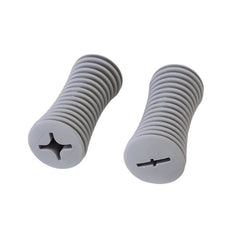
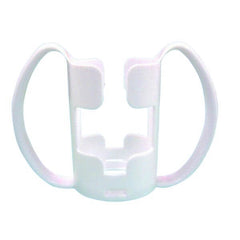
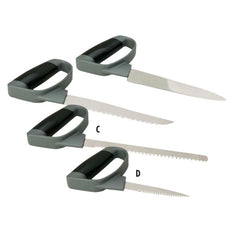
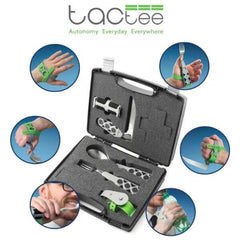
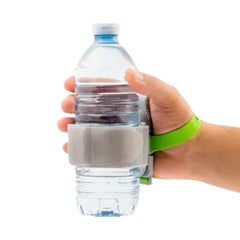
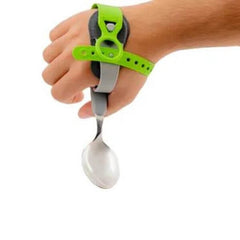


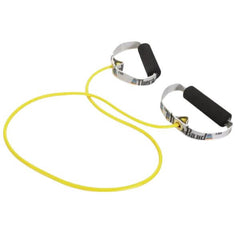

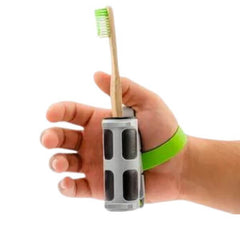
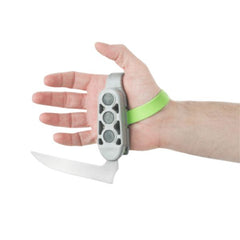
Tools That Make Every Day Easier
A good gripping aid doesn't change what you do. It just removes the frustration. Whether it's a jar that won't open, a tap you can't turn, or a key that slips in your hand, there is a tool designed for exactly that problem. These aids are small, practical, and quietly effective. Most people wonder why they waited so long to try one.
Jar Openers and Bottle Openers
Jar openers and bottle openers are some of the most-used gripping aids in any kitchen. Lever-style openers sit over the lid and use leverage rather than grip strength to break the seal. Electric jar openers do the work for you at the press of a button. If opening jars has become a two-person job, either style will change that straight away. There are also can openers designed for one-handed use or for people with arthritis in their hands.
Tap Turners and Key Turners
Tap turners and key turners replace the pinching and twisting motion that arthritis or weak hands make difficult. A tap turner clips over the tap handle so you push with your whole hand instead. A key turner gives you a wide, comfortable grip that makes turning a key much less effort. Both are simple to fit and work with standard household fittings. They are popular recommendations from occupational therapists for anyone with arthritis in their hands and fingers.
Non-Slip Grip Mats and Grip Pads
Non-slip grip mats and grip pads hold objects steady on the bench so you only need one hand free to work. Place a grip mat under a bowl and it stays put while you stir. Use a grip pad to open jars, hold tools, or keep a plate in place. They are washable, thin, and easy to store. Many of our customers keep one in the kitchen and one in the bathroom. For added confidence in the bathroom, you might also look at our range of anti-slip mats.

Choosing the Right Gripping Aid
Here's what to look for when choosing between the options. The right gripping aid depends on two things: the level of hand strength or dexterity you are working with, and the specific task you need help with. Most people end up with two or three different aids for different situations, because each one is designed for a particular job.
Grip Strength and Hand Condition
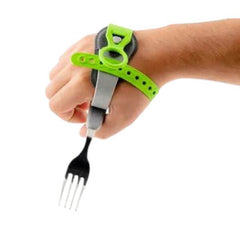
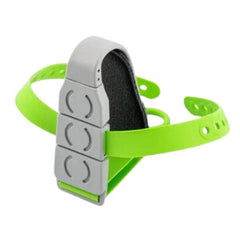
If arthritis is the main challenge, look for aids that reduce the need to pinch or twist. Lever-style openers, wide-grip key turners, and large-handled tap turners are all designed with arthritic hands in mind. If grip strength is very low overall, a universal cuff or strap-style aid that holds a utensil or tool in place may help. Our one-handed utensils are worth a look if only one hand is functional. If you are unsure what suits your situation, your OT can give you a hands-on recommendation.
What You Need to Open or Hold
Think about the tasks that cause you the most difficulty each day. Struggling with jars and lids points to a jar opener or grip pad. Trouble with taps points to a tap turner. Difficulty with keys points to a key turner. If multiple tasks are a challenge, our broader kitchen aids and daily living aids range has tools across many categories. We're here to help. Give us a call and we'll talk it through.
Frequently Asked Questions
How do gripping aids work?
Most gripping aids work by increasing the surface area or leverage on an object, so less hand strength is needed to hold or turn it. A jar opener fits over a lid and breaks the seal with a simple twist. A tap turner slips over a tap handle so you push with your palm instead of pinching with your fingers. Non-slip mats hold an item steady on the bench while you work with your other hand.
What conditions are gripping aids helpful for?
Gripping aids are commonly used by people with arthritis, reduced grip strength, stroke-related hand weakness, Parkinson's disease, or limited hand dexterity. They are also helpful after hand surgery or injury. If you are unsure whether a particular aid suits your situation, it is worth asking your occupational therapist (OT) for a recommendation.
What types of gripping aids are available?
The most common types are jar and bottle openers (electric or lever-style), tap turners, key turners, non-slip grip mats, grip pads, and universal cuff handles that attach to cutlery or tools. Some are one-handed designs for people with use of only one hand.
Can I use my NDIS or Home Care Package to buy gripping aids?
Yes, gripping aids can often be purchased using NDIS funding or a Home Care Package (HCP). Contact your plan manager, support coordinator, or HCP provider to confirm your entitlements and request approval. Once approved, we provide a tax invoice. Pay it and we ship your order straight away.