Welcome

Best Powerchair Wheelchairs

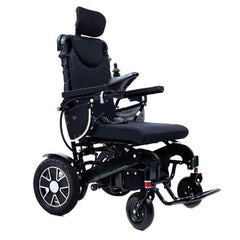
You know that feeling of freedom when you can go exactly where you want, when you want? That's what powerchair wheelchairs bring back into people's lives. These electric-powered chairs (sometimes called motorised wheelchairs) are game-changers for folks who struggle with walking or who find manual wheelchairs too physically demanding.

Unlike those manual chairs that require arm strength or someone pushing from behind, powerchairs run on batteries and are typically controlled with a joystick on the armrest. They're designed to navigate both your living room and the local park, giving you back your independence.

What makes them different from mobility scooters? Powerchairs generally have a tighter turning radius (making them easier to maneuver in tight spaces) and come with more sophisticated seating options. This makes them ideal if you spend long hours seated or need specific support for your posture.

Understanding the Types of Powerchair Wheelchairs

Drive Wheel Configuration: Front, Mid, and Rear

The position of the drive wheels on a powerchair isn't just a design choice – it completely changes how the chair performs in different environments.

Front-wheel drive chairs are pretty good at tackling small obstacles (like doorway thresholds) and offer stable performance. If you need to navigate over slightly uneven surfaces, these might be your best bet.

Mid-wheel drive powerchairs are probably the most common type you'll see, and for good reason. They have that incredibly tight turning radius that lets you spin around in small spaces. Think about maneuvering in a bathroom or kitchen – that's where these chairs really shine.

Then there's rear-wheel drive, which gives you fantastic stability when you're moving at higher speeds in a straight line. These are great for people who spend a lot of time outdoors traveling longer distances.

Specialised Models for Different Needs

Beyond the basic drive types, there's a whole world of specialized powerchairs out there.

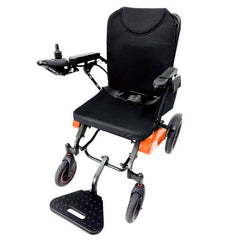
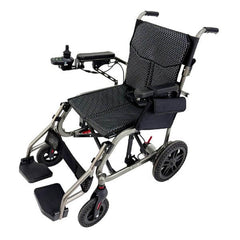
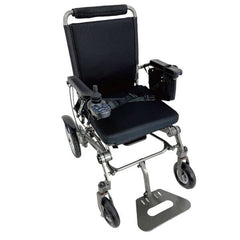
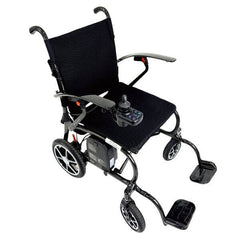
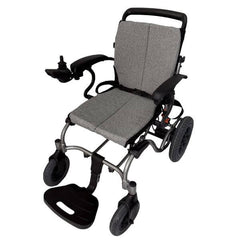
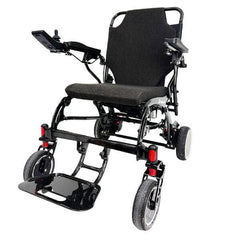
For travelers, folding electric wheelchairs are a revelation. They're lightweight and collapse down for easy transport in your car boot, making them perfect for people on the go.

If you need something more heavy-duty, bariatric powerchairs come with reinforced frames and more powerful motors to support higher weight capacities comfortably and safely.

And for the adventurous types – or just anyone who lives somewhere with rough footpaths – all-terrain electric wheelchairs feature better suspension systems, chunkier tires, and robust motors that can handle grass, gravel, and hills without breaking a sweat.

How to Choose the Right Electric Wheelchair

Assessing Your Environment and Lifestyle

Finding your perfect powerchair starts with honestly looking at your daily life. Where will you use it most?

Take a good look around your home. Measure those doorways and hallways. If you'll primarily be indoors, that mid-wheel drive with its tight turning radius might be your new best friend.

But if you're planning outdoor adventures, think about what surfaces you'll encounter. Are the footpaths in your neighborhood smooth or cracked? Do you need to cross parks or gravel paths to visit friends?

And don't forget about transportation. If you need to fit your chair in a car regularly, weight and foldability suddenly become major factors. A lightweight, collapsible model might be worth considering even if it means compromising on some other features.

Key Specifications to Compare

When you're comparing chairs, there are some numbers that really matter:

The weight capacity needs to comfortably support you. Battery range tells you how far you can go before needing a recharge (and nobody wants to get stranded halfway through an outing). Maximum speed affects how long it takes to cover distances – though faster isn't always better for everyone.

That turning radius we've mentioned? It's crucial for navigating inside your home. Also pay attention to the chair's overall dimensions and weight, especially if storage space is tight or you'll need to transport it.

And don't overlook the suspension system – it makes the difference between feeling every bump in the road and enjoying a smoother, more comfortable ride.

Seating and Positioning Systems for Comfort and Health

Let's talk about where you'll actually be sitting – because comfort isn't just about feeling good, it's about preventing health issues too.

Modern powerchairs can include amazing features like power tilt, recline, and elevating leg rests. These aren't luxury add-ons; they're clinical necessities for many users to manage pressure, improve circulation, and maintain proper posture throughout the day.

The seat itself – its width, depth, and cushioning – needs to support you properly. The right configuration helps prevent those pressure injuries that can develop when you're seated for extended periods.

Think of your powerchair's seating system as a personal comfort zone that's also looking after your long-term health.

Powerchair Costs and Funding in Australia

Factors That Influence Electric Wheelchair Prices

I won't sugarcoat it – powerchairs represent a significant investment. Their prices vary wildly depending on what features and technology they include.

Basic factors like the type of drive system and motor power affect cost. Then there's battery technology – larger, more advanced batteries that offer greater range will push the price up but might be worth it for your lifestyle.

Those powered seating functions I mentioned earlier? Each one adds to the total. A chair with programmable tilt, recline, and leg elevation will cost more than a basic model.

And if you need a heavy-duty or all-terrain chair, expect to pay more for that robust construction and specialized components that can handle the extra stress.

Funding Through the NDIS and Other Schemes

The good news is that in Australia, you don't necessarily have to cover the entire cost yourself. The National Disability Insurance Scheme (NDIS) may fund part or all of your powerchair if you're eligible.

The process typically starts with an assessment from an occupational therapist who can provide that all-important clinical justification for why you need specific features to achieve your goals.

If the NDIS isn't an option for you, look into state-based equipment schemes, the Department of Veterans' Affairs (DVA) if applicable, or check whether your private health insurance might offer some coverage. It's worth exploring all possibilities – many people are surprised to discover funding sources they didn't know existed.

Essential Maintenance for Your Powerchair

Battery Care and Charging Best Practices

Your powerchair's battery is its lifeline, and treating it right makes all the difference to performance and longevity.

Most chairs use deep-cycle batteries that should be charged daily – yes, even if you barely used the chair that day. It's actually better for these batteries to get regular charging than to run down completely.

Follow the manufacturer's charging instructions religiously. And try to avoid that panicky moment when you're down to the last bar of battery life – regularly letting batteries fully deplete can shorten their overall lifespan.

Storage matters too. Keep your chair in a dry place at moderate temperature to protect both the batteries and all those sensitive electronics.

Routine Checks and Servicing

A quick once-over of your powerchair can catch small issues before they become big problems.

Make it a habit to check tire pressure and condition – proper inflation makes a huge difference to battery efficiency and ride comfort. Test that the joystick and controls respond properly. And take a close look at the frame occasionally for any signs of wear or damage.

But even with your vigilance, professional servicing is still essential. Schedule those check-ups at the intervals your manufacturer recommends. A trained technician can spot potential issues with motors, wiring, and mechanical parts that might not be obvious to the untrained eye.

Think of it like servicing your car – regular maintenance keeps everything running safely and efficiently.

Powerchair Accessories and Parts

One of the coolest things about powerchairs is how customizable they are to fit your specific needs. There's a huge range of accessories out there that can make your daily life more convenient.

Need better pressure care? Specialized cushions can help. Want to keep your phone or drink handy? Cup holders and phone mounts attach right to the armrests. Storage bags that hook onto the back or sides give you a place for everyday essentials.

For maintenance, it's good to know that replacement parts like batteries, chargers, and tires are readily available. And practical add-ons like joystick covers protect your controls from weather (which is especially handy during those unexpected Melbourne downpours!).

If transportation is a challenge, vehicle lifts and home ramps can make a world of difference in accessing different environments.

Frequently Asked Questions

What is the difference between a powerchair and a mobility scooter?

A powerchair uses a joystick control, has a tighter turning circle, and is designed for both indoor and outdoor use with complex seating options. A mobility scooter, on the other hand, uses a tiller handlebar for steering, has a wider turning circle, and is mainly meant for outdoor travel. Think of powerchairs as more versatile but scooters as simpler to use for certain needs.

How do I get a powerchair through the NDIS in Australia?

For the NDIS to fund your powerchair, they need to consider it a 'reasonable and necessary' support for your disability. This usually means getting an assessment from an occupational therapist who'll write a report recommending the specific type of chair you need to help meet your goals. The more clearly this connects to your NDIS plan goals, the better your chances of approval.

Which drive type (front, mid, or rear-wheel) is best?

It really depends on how you'll use your chair most. For tight indoor spaces, mid-wheel drive wins with its excellent turning radius. If you need to tackle small obstacles regularly, front-wheel drive might be your best bet. And if you're covering lots of straight-line distance outdoors, rear-wheel drive offers that stability at higher speeds. There's no universal "best" – just what's best for your specific needs.

How much do electric wheelchairs cost?

There's a huge range. A basic, portable model might start at a few thousand dollars, while a highly customized powerchair with all the bells and whistles (advanced seating functions, specialized controls, etc.) can exceed twenty thousand dollars. It's a bit like comparing a basic sedan to a luxury car with all the options.

Can I take a folding electric wheelchair on an airline?

Many folding models are designed to be airline-compatible, but every airline has their own policies. The key is to contact your airline well ahead of your travel date to confirm their specific requirements about battery type (lithium or sealed lead acid), size limitations, and weight restrictions. Most airlines are accommodating, but they need advance notice to make proper arrangements.


Added to cart!