


Best Walking Sticks
Getting around with steadiness and confidence, that is what our walking sticks for elderly people and those with limited mobility are designed for. From a lightweight adjustable walking stick to a compact folding walking stick you can take anywhere, browse our full range of walking aids below.
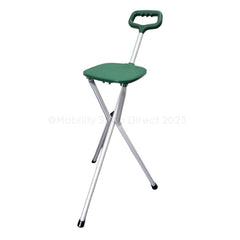
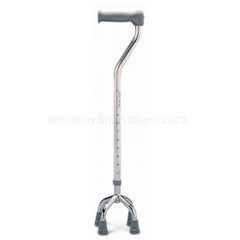
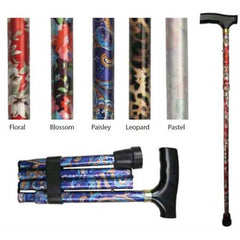
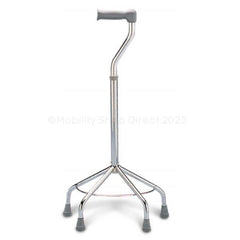
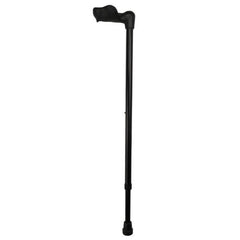
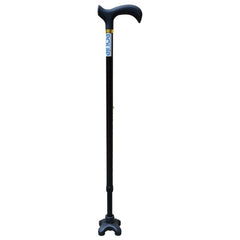
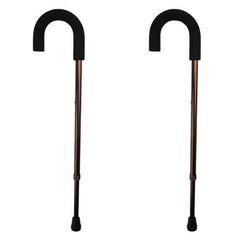

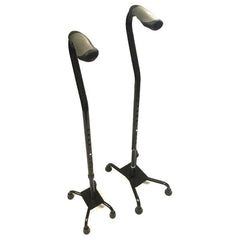
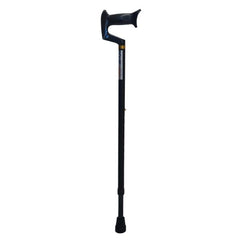
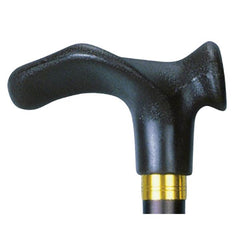
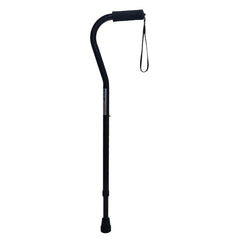
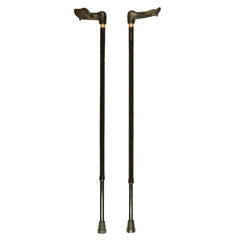
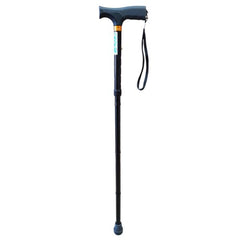
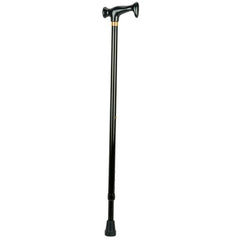
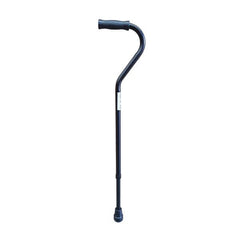
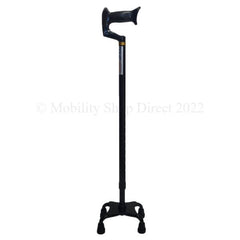

Types of Walking Sticks for Seniors
Walking sticks come in several styles, each suited to different needs and lifestyles. Here is a quick guide to help you find the right one.
Adjustable Walking Sticks
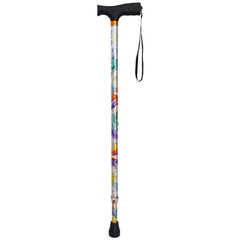
An adjustable walking stick lets you set the height to match your build exactly. Most models use a simple push-button or twist-lock mechanism, so you can fine-tune the fit in seconds. They suit a wide range of heights and are a practical first choice for most people. Look for a model with a comfortable handle and a rubber ferrule (the tip) that grips the floor securely.
Walking stick accessories like replacement ferrules and wrist straps are worth having on hand.
Folding Walking Sticks
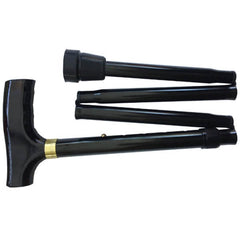
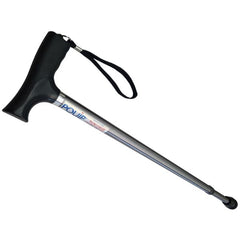
A folding walking stick collapses into a compact bundle that fits in a bag or a car door pocket. This makes it ideal for anyone who only needs support some of the time, or who travels frequently. Most folding sticks are also height-adjustable. They are a popular choice for days out, shopping trips, and holidays.
Quad and Tripod Walking Sticks
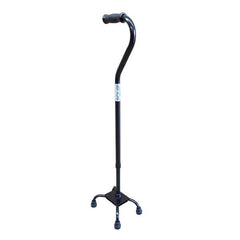
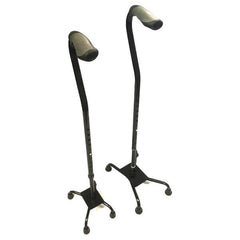
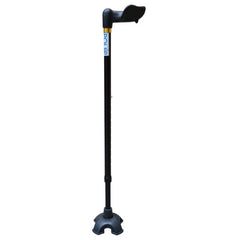
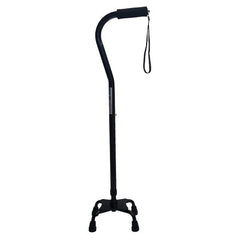
A quad walking stick has a four-point base rather than a single rubber tip. This wider base gives extra stability on uneven surfaces and means the stick stands upright on its own when you let go. Quad and tripod sticks are often recommended after a stroke, or for anyone who needs more lateral support than a standard stick provides. They are a practical step up before moving to a walker or rollator.
How to Choose the Right Walking Stick
Getting the right stick makes a real difference to comfort and how much you actually use it. Two things matter most: height and handle style.
Getting the Height Right
Stand upright with your shoes on and let your arms hang naturally at your sides. The top of the walking stick handle should sit level with the crease of your wrist. This position lets your elbow bend slightly (around 15 to 20 degrees) when you hold the stick, which is the most comfortable and effective angle for walking. A stick that is too short makes you stoop; one that is too tall causes shoulder strain.
If you are buying for someone else and cannot measure in person, use their height as a guide. Most adjustable sticks cover a broad range and can be set precisely when they arrive.
Handle Styles for Comfort and Grip
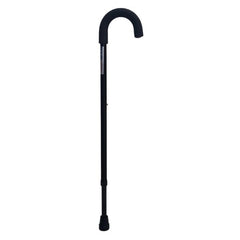
The most common handle is a curved or Derby handle. It suits most people and is comfortable for everyday use. A Fischer or offset handle distributes your weight over a wider area, which is kinder on the wrist and palm for longer walks. Ergonomic handles, shaped for the left or right hand, reduce grip fatigue further. If arthritis affects your hands, look for a wider, softer handle that does not require a tight grip to hold securely.
Not sure which suits you? We are here to help. Give us a call and we will talk it through.
If you need support on both sides, or find a single stick is not quite enough, explore our range of Zimmer walking frames, walkers for elderly, and walking aids. For greater independence outdoors, our rollators are worth a look too.

Frequently Asked Questions
How do I know when it's time to start using a walking stick?
If you find yourself holding onto walls, furniture, or a companion's arm for balance, a walking stick can give you that same support more reliably. Other signs include pain in one leg or hip, fatigue when walking, or returning confidence after an injury or surgery. A walking stick does not mean giving up independence. For many people it means getting back to doing more. It is worth checking with your GP or occupational therapist if you are unsure which type of support is right for your situation. Our blog post Guide to Choosing the Right Walking Aid for Mobility Support has more detail.
Should an 80-year-old use a walking stick?
Yes, if it helps them get around more safely and with greater confidence. Age alone is not the deciding factor. What matters is whether balance, strength, or joint pain is making walking less steady. Many people in their 80s use a single walking stick comfortably. If both sides need support, a rollator or walking frame may be a better fit. An occupational therapist or physiotherapist can advise on the right option. See our blog post on 7 Essential Mobility Aids to Reduce the Risk of Falls for broader guidance.
Can I use NDIS or Home Care Package funding to buy a walking stick?
Yes, walking sticks can often be purchased using NDIS funding or a Home Care Package. Contact your plan manager or Home Care Package provider to confirm your entitlements and request approval. Once approved, we provide a tax invoice. Pay it and we ship your order straight away. Our blog post on NDIS Frequently Asked Questions covers how the process works.
What are the disadvantages of using a walking stick?
A walking stick provides support on one side only, so it suits people with mild to moderate balance or pain issues rather than those who need support on both sides. It requires a free hand, which can be limiting when carrying items. The wrist and arm can tire if the stick is used for long periods. Choosing the right height and handle style reduces fatigue significantly, and adding a wrist strap keeps the stick handy without needing to grip it constantly. If you find a single stick is not providing enough support, our range of walkers for elderly may be a better fit.