


Best Wheelchair Cushions
Finding the right cushion makes a real difference to comfort and skin health every day. This collection of wheelchair cushions Australia brings together pressure care cushions, seating aids, and wheelchair accessories (foam, gel, air, contoured, and honeycomb types), sized and built for wheelchair users. Browse by type below, or call us and we will help you choose.
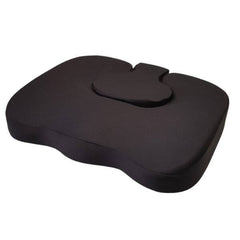
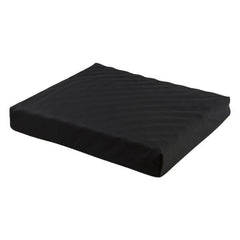
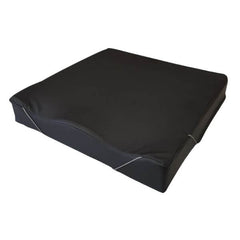
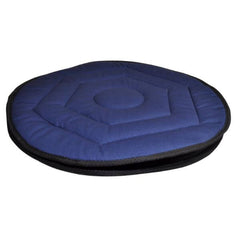
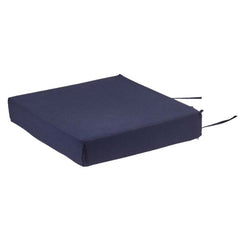
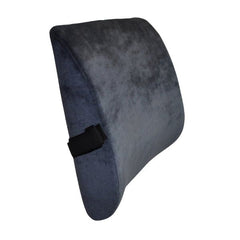
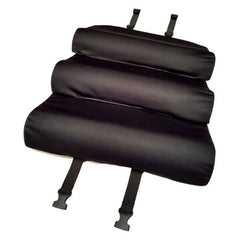
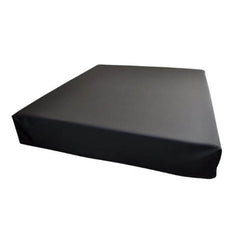
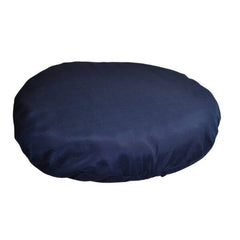
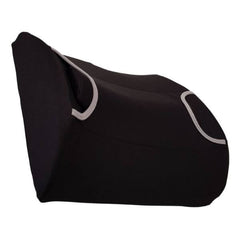

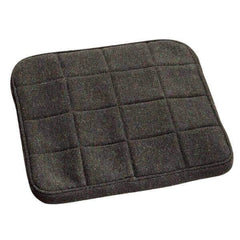
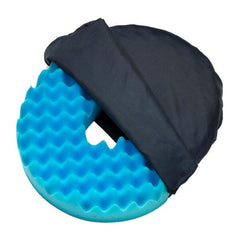
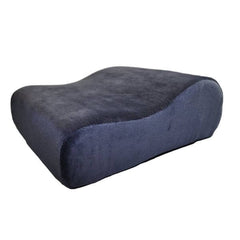
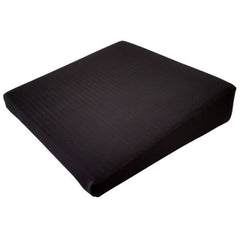
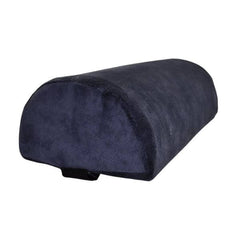
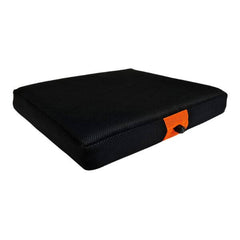

Types of Wheelchair Cushion: Which One Suits You?
When you start looking at wheelchair accessories, the cushion decision is one of the most important ones you will make. The right type depends on how long you sit each day, your skin condition, and what your body needs for support and comfort. Here is what to look for so you can find the right fit the first time.
Foam Cushions
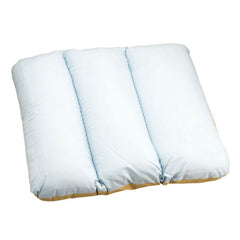
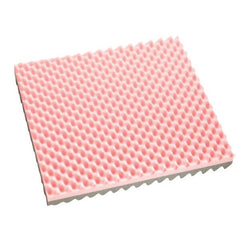
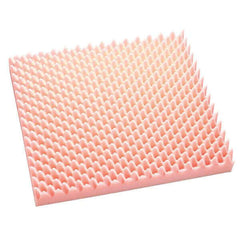
Foam is the most affordable and low-maintenance option. A standard foam cushion is lightweight, easy to clean, and well suited to wheelchair users who sit for shorter periods and have healthy skin. High-density foam holds its shape better over time and offers more consistent support than basic foam.
If you are new to wheelchair cushions or looking for a practical everyday option at a lower price point, our foam cushions are a good place to start.
Gel Cushions
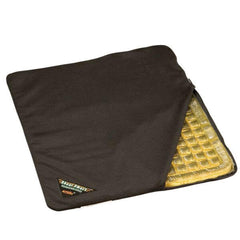
Gel cushions offer superior pressure redistribution compared to foam. The gel layer conforms to your body shape, spreads weight evenly across the seat surface, and stays cooler than foam during extended sitting. This makes gel a popular choice for wheelchair users who sit for four or more hours a day and want reliable pressure relief without the complexity of an air cushion.
Browse our full range of gel cushions to find the right size and profile for your seat.
Air Cushions
Air cushions provide the highest level of pressure relief available in a wheelchair cushion. Individual air cells distribute weight across a larger surface area, reducing pressure at the highest-risk points. You can adjust the air pressure to fine-tune firmness, and the cells absorb movement as you shift your weight throughout the day.
Air cushions are most often recommended by occupational therapists for wheelchair users who spend long hours seated or who have existing skin concerns. Our air cushions include single-cell and multi-cell designs from trusted Australian suppliers.
Gel-Foam and Contoured Cushions
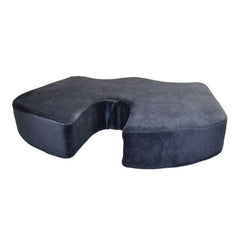
Gel-foam cushions combine a foam base with a gel layer on top, balancing stability and pressure relief in a single product. Contoured cushions take this further with a pre-shaped profile that supports the natural curve of the pelvis and thighs. Both types are well suited to wheelchair users who need more postural support alongside pressure care.
If positioning matters as much as pressure relief for you, our contoured cushions are worth a close look.
Honeycomb and Alternating Pressure Cushions
Honeycomb cushions use a grid of individual cells to distribute weight without any risk of leaking or puncturing. The open cell structure allows air to circulate freely, which helps manage heat and moisture, a genuine advantage in the Australian climate. They are lightweight, durable, and easy to clean.
Alternating pressure cushions use a small pump to cycle air through different cells, actively preventing any single point from bearing sustained load. These are typically used under clinical guidance for high-risk users. Browse our honeycomb cushions and alternating pressure cushions for our current range.

How to Choose the Right Wheelchair Cushion
Choosing a cushion comes down to three questions: how much pressure relief do you need, how long do you sit each day, and what size fits your seat? Getting these right means you will use the cushion comfortably and with confidence.
Step 1: Know Your Risk Level
Low risk means sitting for fewer than four hours a day with healthy skin; foam or basic gel suits this well. Medium risk means four to eight hours of sitting daily, or a history of minor skin redness; gel or contoured cushions are the right tier. High risk means more than eight hours per day, existing skin breakdown, or significant medical needs. At this level, we strongly recommend an occupational therapist (OT) assessment before you choose a cushion. An OT can assess your specific seating posture and skin condition and recommend a product with the right level of protection.
Step 2: Think About How Long You Sit Each Day
Hours in the chair matter. A foam cushion that works well for two hours of sitting may not provide enough protection at six or eight hours. If your use pattern changes, for example after surgery or a change in health, it is worth revisiting your cushion choice. Most customers in this situation find that stepping up to a gel or air cushion makes a noticeable difference to comfort and skin health over the course of a full day.
Step 3: Measure Your Seat
Sit on a firm, flat surface and measure the width of your hips and thighs at the widest point. That is your seat width. For depth, measure from the back of your buttocks to just behind your knees. Your cushion should match these dimensions closely. If you are between standard sizes or have a broader or narrower seat, give us a call before you order and we will talk it through.
If you are purchasing through NDIS, a Home Care Package (HCP), or Department of Veterans' Affairs (DVA) support, we can provide a tax invoice for your provider. Call us or send an email and we will sort the paperwork with you.

Frequently Asked Questions
What types of wheelchair cushion are available and which one should I choose?
Wheelchair cushions come in five main types: foam (affordable, lightweight, low maintenance), gel (superior pressure redistribution and cooling), air (highest pressure relief, fully adjustable), gel-foam or contoured (a balance of stability and pressure relief), and honeycomb (excellent airflow, good for warm climates or skin sensitivity). For light daily use, foam or gel is usually the right starting point. For longer sitting hours or existing skin concerns, gel, air, or contoured options offer more targeted support. If you are unsure, an occupational therapist can assess your needs and point you in the right direction.
How do I know what risk level I am for pressure injuries?
Risk is generally considered low if you sit for under four hours a day and have healthy skin; medium if you sit four to eight hours, are of low body weight, or have a history of minor skin redness; and high if you sit more than eight hours a day, have existing skin breakdown, or have significant medical needs. High-risk wheelchair users should have a formal seating assessment with an occupational therapist before choosing a cushion. A standard foam cushion may not provide adequate protection at that level of risk.
How do I measure for the right size wheelchair cushion?
Sit on a firm, flat surface and measure the width of your hips and thighs at the widest point. That is your seat width. For depth, measure from the back of your buttocks to just behind your knees. Your cushion should match or sit very close to your actual seat dimensions. If you are between sizes or your cushion sits too far back or forward, give us a call and we will help you get it right before you order.
Can I use my NDIS, Home Care Package, or DVA funding to buy a wheelchair cushion?
Yes, wheelchair cushions can often be purchased using NDIS funding, a Home Care Package (HCP), or Department of Veterans' Affairs (DVA) support. Contact your NDIS plan manager or support coordinator, your HCP provider, or your DVA case officer to confirm your entitlements and request approval. Once approved, we provide a tax invoice. Pay it and we ship your order straight away.