


Best Cutlery for Elderly
Meals matter. Our cutlery for elderly and kitchen aids collection brings together the best disability cutlery and adaptive cutlery available in Australia, so you or your loved one can enjoy every meal at the table with confidence. Part of our broader Daily Living Aids range.
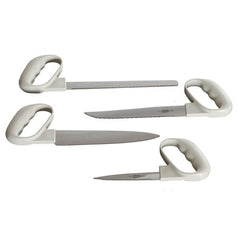
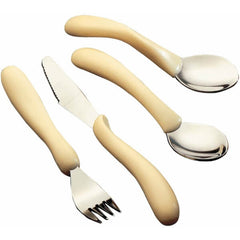
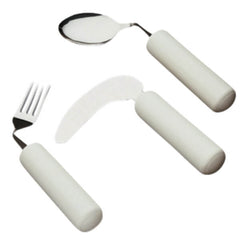

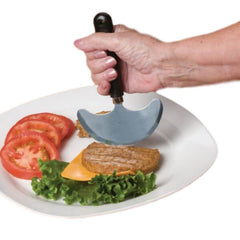
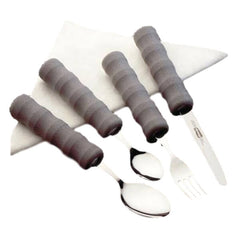
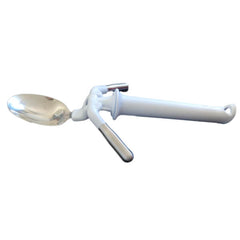
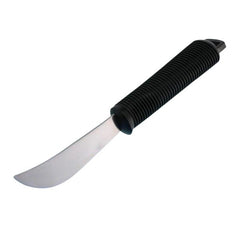

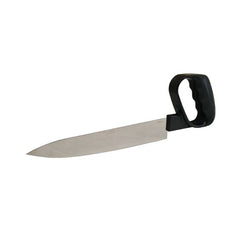
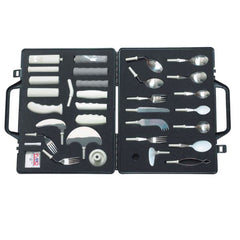
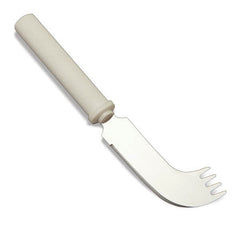
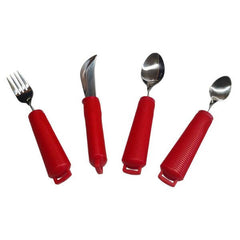
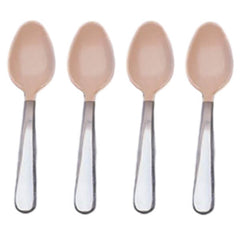

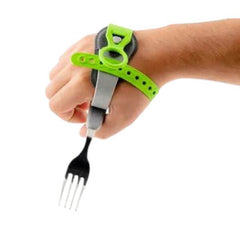
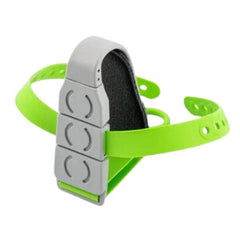

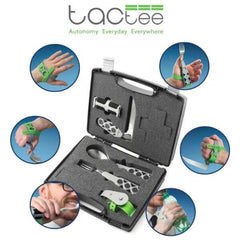

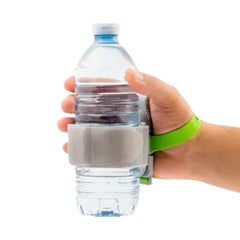
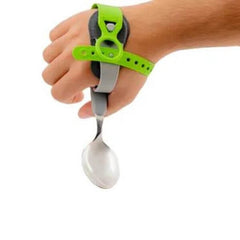
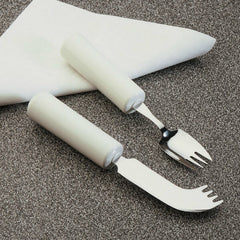


Types of Adaptive Cutlery
Not all adaptive cutlery is the same. The right type depends on the specific challenge, whether that is a weak grip, reduced wrist movement, hand tremors, or pain from arthritis. Here is a quick guide to the main types we stock.
Weighted Cutlery for Tremors
Weighted cutlery is heavier than standard cutlery, with the extra weight built into the handle. That weight steadies the hand, dampening the shaking that comes with essential tremor, Parkinson's disease, or other neurological conditions. Most weighted sets include a knife, fork, and spoon in stainless steel. They look like ordinary cutlery at the table, which many people prefer.
If tremors are a concern, pair weighted utensils with a no-spill cup or mug for a full mealtime setup.
Angled and Bendable Cutlery
Angled cutlery has the spoon or fork head set at a fixed angle, usually around 90 degrees. This means the wrist stays in a neutral position throughout the meal, with no rotation needed. It is particularly helpful after a stroke or for anyone with limited wrist or shoulder movement on one side.
Bendable cutlery goes one step further. The neck of the utensil can be shaped to the exact position that works for the individual. An occupational therapist can assist with finding the right angle. Because everyone's range of motion is different, this flexibility makes bendable cutlery one of the most versatile options we carry.
Built-Up Handle Cutlery for Arthritis
Built-up handle cutlery has a wide, cushioned grip instead of the thin handle found on standard cutlery. The extra thickness means less grip force is needed to hold the utensil, which directly reduces the strain on arthritic joints. Handles are usually made from soft, non-slip foam or rubber that stays secure even when hands are a little unsteady.
This style is the most commonly recommended by occupational therapists for arthritis cutlery in Australia. It is also a good first choice if you are not yet sure what type is right, as it suits a wide range of conditions.

How to Choose the Right Cutlery
The best way to choose is to match the utensil to the challenge:
- Tremors or shaking hands: Start with weighted cutlery.
- Arthritis or weak grip: Built-up handle cutlery is your first option.
- Limited wrist or shoulder movement: Try angled cutlery. If movement varies day to day, bendable cutlery gives more control.
- One-sided weakness (e.g. after a stroke): Angled cutlery combined with a one-handed utensil or plate guard works well.
If you are buying for a family member and are not sure where to start, our team is happy to help. You can also ask an occupational therapist for a recommendation before you order. Most items can be funded through NDIS, DVA, or My Aged Care, so it is worth checking your entitlements first.
For more tips on setting up a safe and practical kitchen, take a look at our guide to adaptive kitchen aids for arthritis.

Frequently Asked Questions
What is the best cutlery for someone with osteoarthritis?
Cutlery with wide, built-up handles is the best starting point for osteoarthritis. The thicker grip means you need less finger force to hold the utensil, which reduces pain. Look for lightweight handles in a soft non-slip material. Our built-up handle cutlery range includes several options that occupational therapists commonly recommend.
What cutlery is best for someone with Parkinson's disease or hand tremors?
Weighted cutlery is designed specifically for tremors. The extra weight in the handle dampens shaking, making it easier to guide food to your mouth. Most weighted sets are available as a knife, fork, and spoon in stainless steel. If tremors are severe, a combination of weighted cutlery and a plate with a raised lip gives the best result.
What is angled or bent cutlery, and who does it help?
Angled cutlery has a spoon or fork head set at an angle (usually around 90 degrees) so the user does not need to rotate their wrist when eating. It helps people who have had a stroke, shoulder injury, or limited wrist movement on one side. Bendable cutlery can be shaped to the exact angle that works for the individual, which is useful when range of motion varies.
Can I use NDIS funding to buy adaptive cutlery?
Yes, adaptive cutlery can often be purchased using NDIS funding under the Consumables support category. Contact your plan manager or support coordinator to confirm your entitlements and request approval. Once approved, we provide a tax invoice. Pay it and we ship your order straight away.