


Best Walkers for Elderly
Finding the right walker makes a real difference to how confidently you get around each day. This collection of walkers for elderly Australia brings together walking frames, rollators, and portable walking aids sized and built for older Australians. Browse by type below, or call us and we will help you choose.

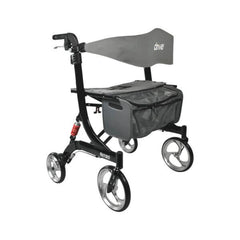
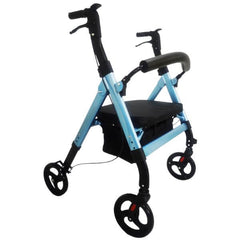
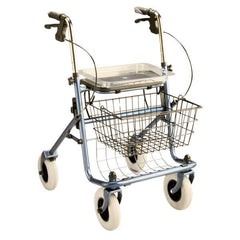

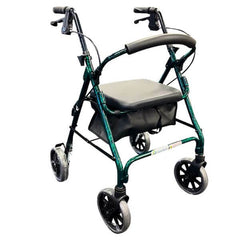

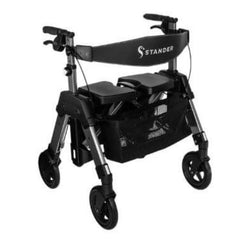
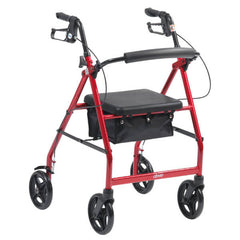
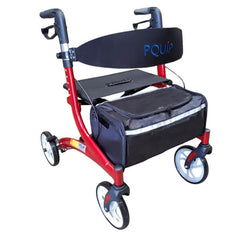
Walking Frames vs Rollators: Which One Is Right for You?
When you start looking at walking aids, the two main types you will come across are walking frames and rollators. They look similar but work quite differently. Here is what to look for so you can find the right fit the first time.
Walking Frames (Standard Frames)
A standard walking frame has no wheels. You lift it forward slightly, place it, and step into it. This gives you four solid points of contact with the ground, which makes it the most stable option available. It suits anyone who needs firm support with every step, especially indoors on smooth surfaces.
Standard frames fold flat for storage and tend to be lighter than rollators. If you are getting around a small home or recovering from surgery, a basic frame is often the right starting point. Most models weigh between 2 and 3 kg and pass through a standard Australian doorway (820 mm) without trouble.
Rollators (4-Wheel Walkers with Seat)
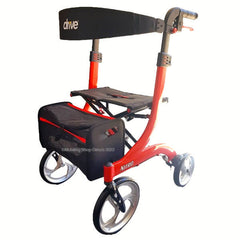
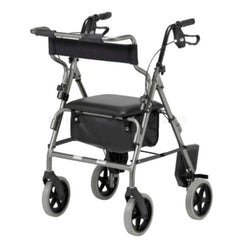
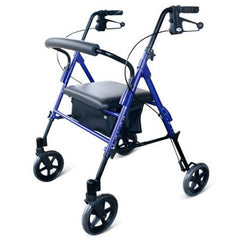
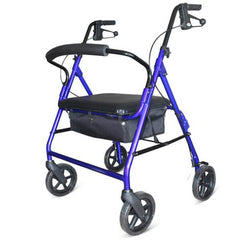
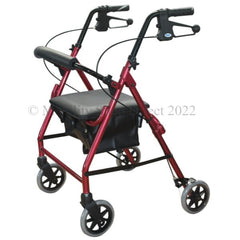
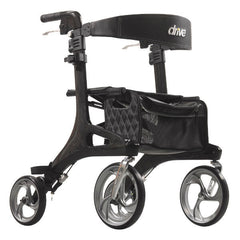
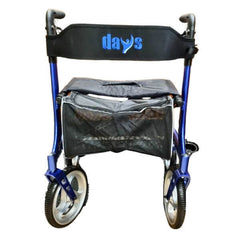
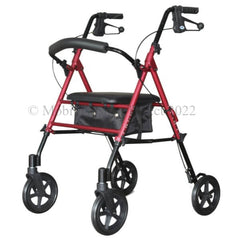
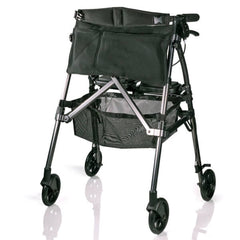
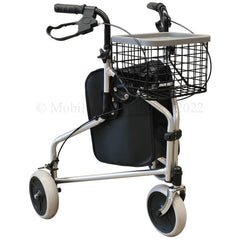
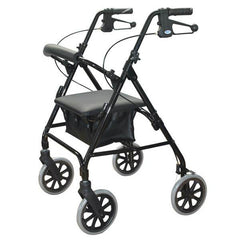
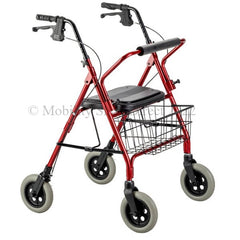
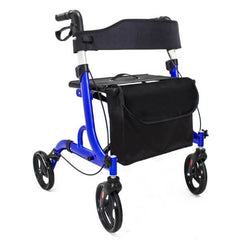
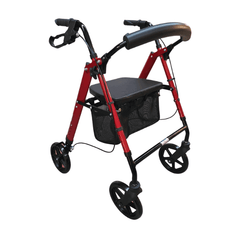
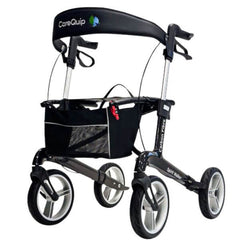
A rollator rolls with you rather than being lifted. Four wheels, a hand-operated brake, and a fold-down seat mean you can cover more ground without fatigue and sit down whenever you need a rest. This makes rollators the most popular choice for getting around outdoors, at the shops, or anywhere you are on your feet for longer stretches.
Most rollators fold in half for the car or for storage in a small flat. If you are shopping for a walker with a seat, the rollator section of this collection is the right place to start. Weight capacities typically run from 100 kg to 150 kg, with heavy-duty models available for higher needs.

How to Choose the Right Walker
Choosing between models comes down to three practical questions: handle height, where you will use it most, and whether the frame is built for your weight. Getting these right means you will actually use the walker, and use it with confidence.
Getting the Handle Height Right
Stand upright in your usual shoes and let your arms hang naturally at your sides. The handle should line up with your wrist crease. Most walkers adjust in 2 cm increments, so you have good flexibility. If you are in between sizes or unsure, give us a call before you order and we can help you measure correctly.
Indoor Use vs Outdoor Use
For indoor use, look for a compact indoor walker with a slim frame width that moves easily through hallways and around furniture. A narrow frame (under 560 mm wide when open) is the key measurement for tight spaces.
For outdoors, larger wheels make a noticeable difference on footpaths and uneven ground. Look for wheels of at least 180 mm, and check that the brake is easy to operate with your hand strength. A portable walker that folds down quickly is useful if you are getting in and out of the car regularly.
Weight Capacity and Build
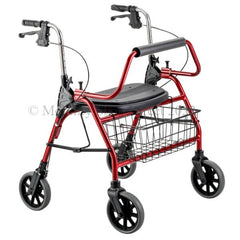
Every product in this collection lists its maximum weight capacity clearly. Most standard frames and rollators are rated to 100-120 kg. If you need higher capacity, our bariatric walker range goes up to 200 kg and uses reinforced steel frames built for the job.
If you are funding your purchase through a Home Care Package (HCP), the National Disability Insurance Scheme (NDIS), or a Department of Veterans' Affairs (DVA) plan, we can provide a quote. Give us a call or send an email and we will sort the paperwork with you.

Frequently Asked Questions
What is the best type of walker for seniors?
It depends on how and where you will use it. For slow, careful movement inside the home, a standard walking frame gives the most stability. For getting around outdoors, shopping centres, or longer distances, a 4-wheel rollator with a seat is the most practical choice. An occupational therapist can assess your balance and recommend the right type for your situation.
How do I choose the right walker handle height?
Stand upright in your normal shoes and let your arms hang at your sides. The handle should sit level with your wrist crease. Most walkers adjust in 2 cm increments. If you are between sizes or have a specific posture consideration, give us a call and we will talk it through.
Can I use a walker indoors and outdoors?
Most rollators work well on both smooth floors and firm outdoor surfaces such as footpaths. If you are mostly moving through narrow hallways or small rooms, look for a compact indoor walker with a slim frame width. For rougher terrain, a rollator with larger wheels (around 200 mm) handles bumps more comfortably.
