


Best Bedroom Aids
Getting in and out of bed safely should not be a battle. Our bedroom aids range covers everything from bed rails to commodes, giving you the right bed aids for elderly Australians who want to stay independent. Explore our full mobility aids collection.


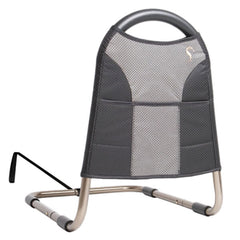
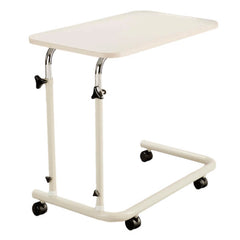
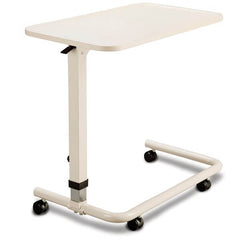
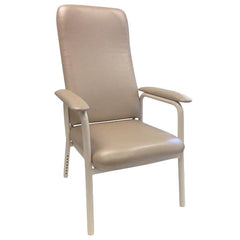




Bed Rails, Sticks, and Transfer Poles
Losing your footing as you sit up or swing your legs over the edge of the bed is one of the most common causes of falls at home. Bed rails and transfer poles give you something firm to hold at exactly the right moment, reducing fall risk and taking the strain off carers.

Bed Rails for Adults
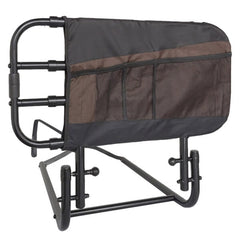
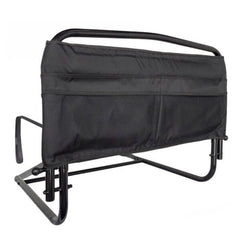
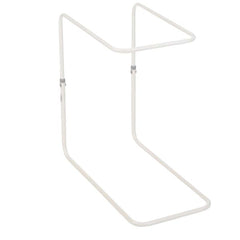
Bed rails for adults slip under the mattress or clamp to the bed frame and fold flat when not in use. They work on most standard beds without modification. A half-rail on one side is often all it takes to make getting up and lying down feel secure again.
Bed Sticks, Self-Help Poles, and Over Bed Poles
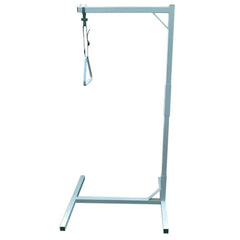
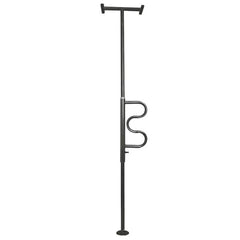
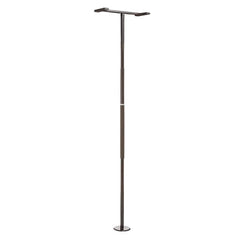
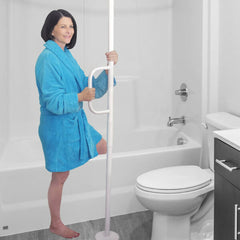
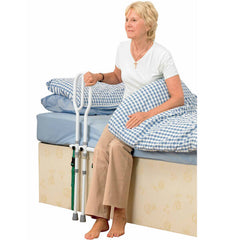
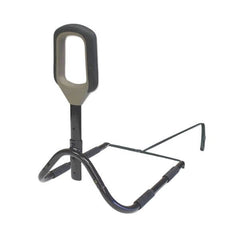
A bed stick slots between the mattress and the base for a low-profile grab point. Self-help poles offer a freestanding handle right beside the bed without any wall mounting. Over bed poles mount floor to ceiling and include a grab handle and trapeze bar for repositioning in bed, a useful option when lower-body strength is limited.
Commodes, Tables, and Positioning Supports
Not every bedroom challenge is about getting out of bed. Sometimes it's about staying comfortable once you're in it. The aids below make daily life easier before sleep, during recovery, and first thing in the morning.
Bedside Commodes
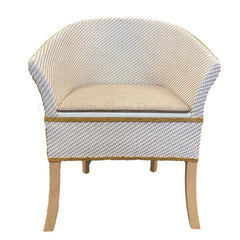
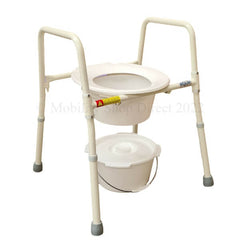
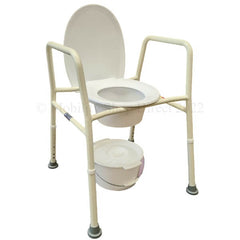
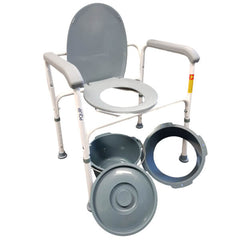
A bedside commode removes the risk of a fall on the way to the bathroom overnight. They fold flat for storage, adjust in height to suit most beds, and most include a bucket and splash guard for straightforward cleaning.
Bed Wedges, Tables, and Positioning Aids
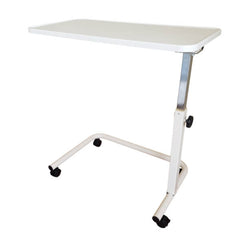
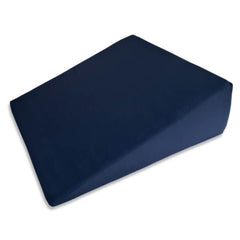
Bed wedges and positioning pillows relieve pressure on the lower back, hips, and legs during sleep or rest. Paired with an over bed table, they let you sit up comfortably to eat, read, or use a device without leaving the bed. Most over bed tables adjust in height and tilt for writing or reading.
How to Choose the Right Bedroom Aid
Start with the task that feels hardest: sitting up, getting out of bed, or making it to the bathroom overnight. Match the product to the challenge. Check the weight rating of any aid before you buy, and confirm it's compatible with your bed type. Not sure what fits your situation? Get in touch and we'll point you in the right direction.
Frequently Asked Questions
Can bedroom aids be funded through NDIS or a Home Care Package?
Many bedroom aids qualify as assistive technology under the NDIS or as daily living aids under a Home Care Package. Contact your support coordinator or speak with your home care provider to confirm what is covered. Read our NDIS FAQ guide for more detail.
What is the best way for an elderly person to get out of bed?
Roll onto your side first, push up to a seated position using a bed rail or self-help pole, sit at the edge of the bed until you feel steady, then stand slowly. A grab aid beside the bed makes each step safer. See our guide on reducing fall risk at home.
What can I use instead of a bed rail?
A bed stick or self-help pole is a practical alternative to a traditional bed rail. They sit beside the bed without attaching to the mattress or frame and work on most bed types. Over bed poles give a wider grab range for those needing more support. See our guide to choosing the right bed support.
What type of bed is best for an elderly person?
An electric adjustable bed lets you raise the head or foot section independently, making it easier to get in and out and reducing pressure overnight. A bed height of around 50 to 55 cm from floor to mattress top suits most people. Our guide to electric adjustable beds in Australia covers the key features to look for.