Best Bedside Rails for Elderly and Disabled People
Enhance Bedroom Safety with Bedside Rails
You know that feeling when you're lying awake at night worried about an aging parent? That moment when you realize they need just a little more support to stay safe and independent? I've been there. Figuring out how to help without overstepping is tough.
Bedside rails can be that perfect middle ground. They're not just practical safety devices—they're peace of mind for everyone involved. Whether it's providing that stable grip for getting up or creating a gentle barrier to prevent nighttime falls, these simple additions can make a massive difference in bedroom safety.
Bed Safety Rails for Fall Prevention
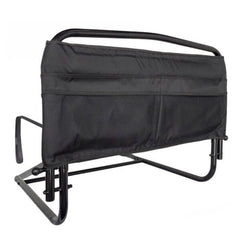
Falls from bed can be scary and dangerous, especially for older adults. That's where bed safety rails really shine. They create a physical boundary along the mattress side, giving you that extra protection during sleep.
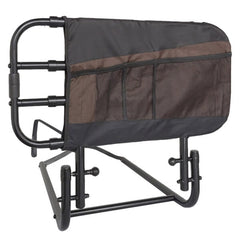
You've got options here. Full-length rails run the entire side of the bed—great for restless sleepers or folks who might get disoriented at night. Half-length rails strike a nice balance, offering protection while still leaving space to get in and out of bed comfortably.
For many families I've talked with, these rails were the difference between constant worry and actually getting a good night's sleep themselves. One woman told me, "Mom can still have her independence, but I don't have to check my phone constantly for emergency calls."
Bed Assist Handles and Grab Bars for Mobility
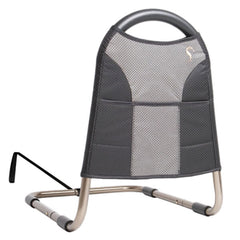
Not everyone needs a full rail. Sometimes, what you really need is just a solid handhold to push up from or steady yourself with. That's where bed assist handles come in.
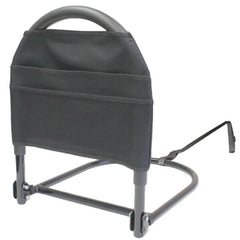
Think of these as your personal bed cane—they give you something sturdy to grip when sitting up, changing positions, or that tricky moment of standing from the bed. The M-shaped handles are particularly clever, offering multiple grip points depending on what feels most natural.
I love that many models include little storage pouches too. Such a simple addition, but having your glasses, remote, or phone right there instead of stretching to a nightstand can actually prevent falls before they happen.
Key Considerations Before Buying a Bed Rail
Before you click "buy" on the first rail you see, take a breath. Getting the right fit makes all the difference between a helpful tool and an unused purchase collecting dust in the garage.
Bed and Mattress Compatibility
This is probably the most overlooked part of choosing a rail, but it's critical. Your bed setup matters—a lot.
Do you have a standard bed with box spring? A platform bed? One of those adjustable bases that lets you raise the head or feet? Each needs a different approach to rail attachment.
And don't forget about your mattress thickness! Some rails are specifically designed for thicker mattresses, while others might not extend high enough if your mattress is tall. I made this mistake once and ended up with a rail that barely peeked above the mattress surface—not exactly helpful.
Universal compatibility is a nice marketing term, but the reality is most rails work best with specific setups. Double-check those specs before ordering.
User-Specific Needs and Weight Capacity
This is where you need to think about who's actually using the rail. Someone recovering from hip surgery has different needs than someone with progressive Parkinson's or dementia.
Weight capacity matters too. Standard rails work for most people, but if you're looking at options for someone larger, look specifically for terms like "heavy duty" or "bariatric" in the description. These are reinforced to handle more weight without bending or breaking.
And honestly, consider the future too. If mobility is likely to change over time, a more versatile solution might save you from buying multiple products down the road.
Rail Size, Style, and Features
The style choices here can feel overwhelming, but think about daily life with the rail. A fold-down or swing-away design lets caregivers access the bed easily for changing sheets (a task that becomes surprisingly complicated with fixed rails).
If you travel frequently, those portable, lighter-weight options might be worth the investment. Nothing worse than getting used to having support at home, then going to visit family without it.
Little details make a difference too—cushioned grips are easier on arthritic hands, and adjustable height settings can accommodate changing needs or different users.
Safe Installation of Adult Bed Rails
Getting the installation right isn't just about convenience—it's about preventing serious injuries.
Preventing Entrapment Risks
I'm going to be blunt: gaps between the rail and mattress can be dangerous. People can become trapped in these spaces, leading to injury or worse. This isn't meant to scare you, just to emphasize why proper installation matters so much.
The rail should fit snugly against the mattress with zero gaps. Pay special attention to areas near the headboard and footboard, which can create awkward spaces if the rail doesn't extend properly.
Always, always follow the manufacturer's instructions. They've designed the product with specific safety parameters in mind.
Common Installation Methods
Most bedside rails use what's called a "sandwich" method—sliding part of the frame between your mattress and box spring or bed base. The weight of the mattress helps hold everything in place.
Better models include securing straps that anchor the rail to the bed frame or even stretch across to the opposite side of the bed. This prevents the rail from shifting or pulling away when someone puts their weight against it.
Many newer designs offer tool-free installation, which is particularly helpful if you're setting this up yourself without assistance. Just make sure to test the stability before relying on it—give it a good shake and push to ensure it's not going anywhere.
Frequently Asked Questions about Bedside Rails
How do I choose between a bed safety rail and a bed assist handle?
Think about the primary need. If preventing falls during sleep is the main concern, a safety rail that creates a barrier is better. If the person mostly needs help sitting up and getting in and out of bed, an assist handle provides targeted support for those movements. Some people benefit from having both—a handle near the head of the bed for sitting up, and a rail along the middle to prevent rolling out.
Are bedside rails safe for elderly users?
When properly selected and installed, yes. The key risks come from improper installation creating entrapment hazards or using rails for someone who might try to climb over them (which can lead to falls from a greater height). For confused patients, always consult with a healthcare provider about the most appropriate solutions. Sometimes alternatives like very low beds with fall mats are safer.
How do I install a bed rail to prevent gaps and entrapment?
Make sure the rail fits your specific mattress thickness. The rail should sit flush against the side of the mattress with no gaps larger than 4 inches anywhere—between the rail and mattress, between rail components, or between the rail and headboard/footboard. Use any provided straps or stabilizers, and regularly check that nothing has shifted.
Will a universal bed rail fit my adjustable bed or platform bed?
Most "universal" rails are designed for standard beds with box springs. For adjustable beds, you'll need rails specifically designed to accommodate the movement and articulation of these beds. Platform beds often require rails with different attachment mechanisms since there's no box spring to sandwich. Always check compatibility information before purchasing.
What is the difference between half-length and full-length bed rails?
Full-length rails run nearly the entire length of the mattress, offering maximum protection against falls. Half-length rails (sometimes called quarter rails) cover only a portion of the mattress side—typically the upper half where the torso would be. Half-length rails still provide fall protection while making it easier to get in and out of bed independently.
Can bed rails be used on any size bed, like a queen or king?
Most bed rails can adapt to different mattress widths, but check the specifications. The real issue is usually not width but height from the floor and mattress thickness. Some rails designed for hospital beds might not extend high enough for very thick home mattresses. Also consider if you need rails for both sides of a larger bed that's not against a wall.
Remember, the best safety solution is the one that actually gets used. Find something that feels like a helpful addition to the bedroom rather than an institutional intrusion, and it'll be much more likely to serve its purpose when needed.