Welcome

Best Bed and Chair Raisers

Enhance Accessibility and Independence with Bed and Chair Raisers

Bed and chair raisers, also known as furniture risers or furniture lifts, are assistive devices designed to increase the height of beds, chairs, sofas, and armchairs. Their primary function is to make it easier for individuals to sit down and stand up, reducing the physical strain on knees, hips, and back. By elevating furniture to a more accessible height, these daily living aids can significantly improve safety and independence for the elderly, individuals with mobility challenges, or those recovering from surgery.

The Benefits of Using Furniture Raisers

Utilising equipment to make chairs and beds higher provides several functional benefits, directly supporting user well-being and autonomy in a home environment.

Improved Safety and Reduced Fall Risk

A primary benefit of raising furniture height is the reduction in fall risk. By decreasing the distance a person must move to stand up, raisers lessen the biomechanical demand on lower body muscles and joints. This provides greater stability during the sit-to-stand motion, a common point where falls occur for individuals with reduced strength or balance.

Look, we all know that moment of slight panic when you're trying to get up from a too-low chair and your knees just don't want to cooperate. It's not just uncomfortable—it can be downright dangerous, especially if you're already dealing with mobility issues.

Greater Independence and Comfort

Furniture leg extenders help users maintain their independence. The ability to get in and out of a bed or chair without assistance is crucial for performing daily activities and supports aging in place. This can enhance quality of life and preserve a sense of dignity and control over one's personal environment.

There's something deeply important about being able to do things for yourself. I've seen the relief on people's faces when they discover they can get up from their favorite chair without calling for help. It's not just about the physical ability—it's about maintaining your sense of self.

Aiding Post-Surgery and Recovery

For individuals in post-surgery recovery, such as after a hip or knee replacement, movement is often restricted. Bed and chair raisers help users adhere to medical advice by minimising the need to bend at the hips or knees, which can protect the surgical site and support a smoother recovery process. They are a common type of post-surgery mobility aid.

Types of Bed and Chair Raisers

Furniture raisers are available in various designs, materials, and sizes to suit different needs and types of furniture.

Adjustable and Stackable Raisers

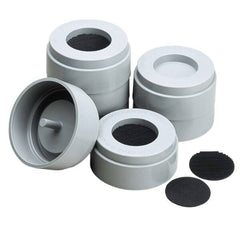
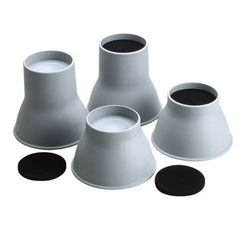
Adjustable and stackable furniture blocks offer height customisation. These systems often consist of interlocking cones or blocks that can be stacked to achieve the desired elevation, such as 100mm or 130mm. This flexibility allows users to find the precise height that provides optimal support and comfort.

I really appreciate these adjustable options because, honestly, everyone's needs are different. Maybe you need just a little boost, or maybe you need something substantial—it's kind of like Goldilocks finding what's "just right" for your specific situation.

Solid Block Risers

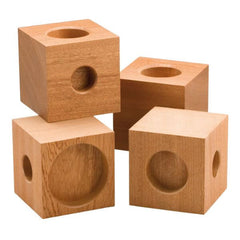
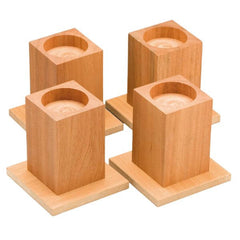
Solid block risers provide a fixed height increase. They're typically made from durable materials like solid wood or moulded plastic. Wooden bed lifts and plastic chair risers offer a simple and sturdy solution, sitting directly under the furniture legs to provide a stable base.

Heavy-Duty Raisers

Heavy-duty bed and furniture risers are engineered to support a greater weight capacity. Constructed from high-strength plastic or metal, they are designed for use with heavier furniture, bariatric users, or any application where maximum load-bearing capability is required.

How to Choose the Right Bed and Chair Raisers

Selecting the correct furniture raisers requires careful consideration of weight, dimensions, and the environment in which they will be used.

Assess Weight Capacity

Always check the weight capacity of a set of raisers. This limit must support the total weight of the furniture plus the weight of any person using it. Distribute this weight evenly by placing a raiser under every leg. Exact specifications may vary depending on model.

And don't forget—if you're raising a bed that two people sleep in, you need to account for both people's weight plus the weight of the bed itself. It's better to have too much capacity than not enough.

Measure Furniture Legs and Required Height

Measure the width or diameter of your furniture legs to ensure they will fit securely into the recessed top of the raiser. The ideal height for a chair or bed allows the user's feet to rest flat on the floor with their knees at a 90-degree angle. This posture minimises strain when standing up.

Consider Furniture Type and Floor Surface

Consider the type of furniture. Some raisers are specifically designed for armchair raisers or recliner risers. The floor surface is also a key factor. For smooth surfaces like tile or hardwood, choose non-slip furniture raisers. Carpeted floors can compress over time, so stability should be checked periodically.

Safety and Installation Guidelines

Proper installation and maintenance are critical for the safe use of all bed and chair raisers.

Correct Installation for Stability

To install risers safely, the furniture should be lifted so that all legs can be fitted with raisers simultaneously. Ensure each furniture leg sits securely and squarely in the centre of its raiser. Before use, test the furniture's stability by pushing on it from several directions to ensure it does not tip or slide.

You know that feeling when you sit on something wobbly? It immediately creates anxiety. That's why proper installation matters so much—it's not just about physical safety but also about creating that feeling of security that lets someone relax in their own furniture.

Regular Safety Inspections

Periodically inspect the raisers for any signs of cracking, warping, or stress. Check that they have not shifted out of position, especially on carpeted surfaces. Users and caregivers should be aware of how to spot potential signs of equipment failure to prevent accidents.

Frequently Asked Questions about Furniture Raisers

How much weight can bed and chair raisers hold?

The weight capacity of furniture raisers varies significantly by model and material. It's essential to check the product's specifications for its maximum load-bearing limit, which must accommodate the combined weight of the furniture and its user. Heavy-duty models offer higher capacities.

Are furniture risers safe and stable?

When chosen correctly for the furniture type and installed properly on a suitable surface, furniture risers are a safe and stable mobility aid. Safety depends on matching the raiser to the furniture leg size, not exceeding the weight capacity, and ensuring all legs are supported evenly.

What is the best height for a chair or bed raiser?

The ideal height allows the user to sit with their feet flat on the floor and their knees bent at approximately a 90-degree angle. This position provides the best leverage for standing up with minimal strain. Adjustable raisers can help achieve this custom height.

Can you use risers on recliners or chairs with wheels?

Specialised raisers are available for different types of furniture. Some are designed to accommodate recliner mechanisms or to cup caster wheels securely. It's important to select a product specifically stated as compatible with your furniture type, as standard raisers may not be safe for recliners or casters.


Added to cart!