




Best Chair Scales
Ever watched someone who can barely stand trying to get weighed on a regular scale? It's not just difficult—it can be downright dangerous. That moment when you see them wobble, and your heart jumps into your throat because you're sure they're going to fall... that's exactly why weight chair scales exist.
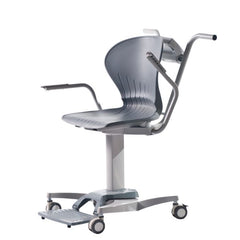


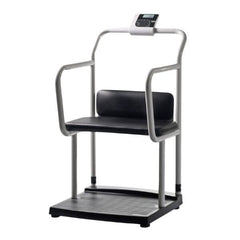
What Are Weight Chair Scales?
Weight chair scales are exactly what they sound like—chairs that double as scales. But they're so much more than that for people who can't safely stand on traditional scales.
These specialized medical devices give dignity back to folks with mobility challenges. Instead of the awkward shuffle onto a flat scale (holding onto whatever they can grab for stability), they can simply sit down. The weighing mechanism is built right into the chair, making the whole process safer and more comfortable for everyone involved.
You'll find these in hospitals, nursing homes, and even in people's houses—anywhere weight monitoring is crucial for health decisions but standing on a regular scale isn't an option.
How to Choose a Weight Chair Scale
Weight Capacity and Patient Type
First things first—how much weight does the scale need to handle? Standard models typically support around 250-300 kg, which works for most situations. But if you're working with bariatric patients, you'll want to look at heavy-duty options that exceed 300 kg.
It's not just about the weight limit, though. Bariatric models usually come with wider seats for comfort and proper support. Getting this right matters—both for accurate readings and for keeping people safe and comfortable.
Key Features and Technical Functions
The tech side of these scales has come a long way. Look for:
- A large, easy-to-read digital display (because squinting at tiny numbers is no fun for anyone)
- A 'Tare' function that lets you subtract the weight of blankets or clothing
- A 'Hold' function that captures a stable reading even when someone can't sit perfectly still
- BMI calculation features on some models
These might seem like small things, but they make a huge difference in day-to-day use.
Safety and Patient Transfer Features
The scariest moment is often getting in and out of the chair. Good models address this with:
- Locking wheels that won't budge during transfers
- Armrests that swing away or fold up so people can slide in from the side
- Footrests that can be moved out of the way
These features protect both patients and caregivers. Back injuries among healthcare workers are way too common, and properly designed transfer features can help prevent them.
Portability and Power Source
Think about where the scale will be used. Need to move between rooms or floors? Look for models with good wheels and a push handle. Super tight on space? Some chairs even fold up when not in use.
As for power, you've got options. Mains power is reliable but limits where you can use the scale. Battery-operated models give you flexibility but need regular charging. Some offer both, which is honestly the sweet spot.
Data Connectivity and Integration
The newest scales are joining the digital healthcare revolution. EMR-ready models can automatically send weight data to electronic medical records through Bluetooth or Wi-Fi.
This might seem fancy, but it actually solves real problems—no more transcription errors from writing down weights, and no forgetting to record measurements during busy shifts. For telehealth programs where remote monitoring is essential, this connectivity is a game-changer.
Applications of Patient Weighing Chairs
In Clinical and Hospital Settings
These scales are workhorses in certain hospital departments. In dialysis units, they help track fluid removal. For oncology patients, precise weight measurements ensure correct medication dosing. And in geriatrics, they provide a safer alternative to standard scales.
For patients with conditions like heart failure, where fluid retention is a critical marker, having accurate, consistent weight measurements can literally be life-saving.
For Aged Care and Nursing Homes
In aged care settings, regular weighing is part of routine health monitoring. Weight loss can be an early warning sign of many conditions, but it's easy to miss without consistent tracking.
The chair scales make this process dignified and safe. And let's be honest—they make life easier for staff too, reducing the physical strain of helping residents onto traditional scales.
For In-Home Care and Hospice
Having a chair scale at home means one less reason for difficult trips to medical facilities. For people receiving hospice care or managing chronic conditions from home, this is huge.
Home health nurses can track weight changes without disrupting someone's routine or comfort. And with telehealth becoming more common, having reliable ways to gather data at home is increasingly important.
Chair Scales vs. Wheelchair Scales
Here's the difference: chair scales come with their own built-in seat, while wheelchair scales are flat platforms that accommodate someone's personal wheelchair.
With wheelchair scales, you have to know how much the empty wheelchair weighs and subtract it from the total reading. This extra step introduces potential for error. Chair scales eliminate this issue by directly measuring the person's weight.
That said, wheelchair scales make sense when someone uses their own custom wheelchair and transferring to another seat would be difficult or uncomfortable.
Maintenance, Calibration, and Hygiene
Like any medical equipment, chair scales need some TLC to keep working properly:
- Clean them regularly with hospital-grade disinfectants to prevent cross-contamination
- Follow the manufacturer's calibration schedule to maintain accuracy
- Check moving parts like armrests and wheels for wear and tear
Most models have smooth surfaces specifically designed for easy cleaning—a must in healthcare environments where infection control is paramount.
Weight chair scales might not be the flashiest medical equipment, but for those who need them, they're invaluable. They represent something important: healthcare that adapts to people's needs rather than the other way around.