Welcome

Best Wheelchair Scales

Accurate and Accessible Weighing Solutions

When you can't step onto a regular scale, how do you track your weight? This is a real challenge for millions of people with mobility issues, and that's where wheelchair scales come in.

These specialized weighing devices do exactly what you'd think – they let someone stay seated in their wheelchair while getting an accurate weight reading. It sounds simple, but this capability is absolutely crucial for healthcare. Without it, doctors wouldn't have basic data they need for people with limited mobility, elderly patients, or those with disabilities.

I've seen these scales in all sorts of places – hospitals obviously, but also nursing homes, physical therapy clinics, and increasingly, in people's homes. They range from huge platform models (think of a mini-ramp system) to portable beam scales you can actually fold up and tuck away.

$4,020.00 $3,350.00

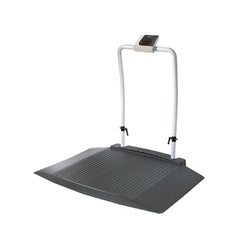
Digital Wheelchair Scales

$8,000.00 $6,000.00

Wheelchair Scale with Two Ramps

$8,000.00 $6,000.00

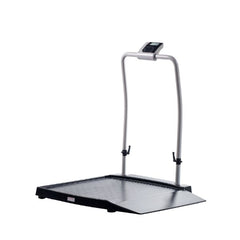
Wheelchair Scale with One Ramp

Choosing the Right Wheelchair Scale

This isn't a one-size-fits-all situation. The right scale for a busy hospital ward looks completely different from what works in someone's living room. It's about matching the scale to where it'll be used, who'll be using it, and what specific needs they have.

Types of Wheelchair Scales

There are basically three main types you'll run into:

  • Platform scales are what most people picture – they're like mini ramps that lead up to a flat weighing surface. The whole wheelchair rolls onto them. They're super stable and work with pretty much any wheelchair, but they do take up space.
  • Portable beam scales are my favorite for flexibility. These have separate beams (or sometimes just one central beam) that you position under the wheels. They're much easier to store and move around, which makes them perfect if you're tight on space or need to use the scale in different rooms.
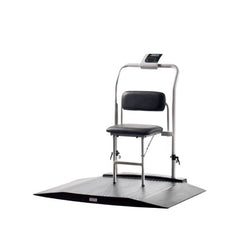
  • Integrated chair scales are actually built into a transfer chair. These work well for people who can briefly transfer out of their regular wheelchair but can't stand on their own.

Key Features to Consider

Look, the whole point is accessibility, so the first thing I check is how easy it is to get onto the scale. Is the ramp gentle enough? Is the platform low to the ground? Is the surface non-slip?

Size matters too – a scale that's too narrow for the wheelchair is useless. And think about where the digital display is positioned. Some of the better models have remote displays you can mount wherever makes sense, so the person being weighed can actually see their own results.

If you're going to move it around, check for things like built-in wheels or whether it folds up. I've seen some that collapse down surprisingly small.

Home Use vs. Clinical and Medical Settings

For home, you probably want something simpler and more compact. You might sacrifice a bit of durability for something that fits in your closet when not in use.

But in a hospital? Those scales need to be workhorses. They'll get used dozens of times daily, so they need tough construction. Medical settings also need scales with more advanced features – things like BMI calculation, the ability to connect to electronic health records, and medical certifications (like Class III approval).

Clinical scales also face stricter rules about regular calibration and maintenance, which makes sense when you think about how the measurements affect treatment decisions.

Bariatric Wheelchair Scales for Higher Capacities

Standard wheelchair scales typically handle weights up to about 300 kg, but bariatric models go further – often to 450 kg or more. These aren't just regular scales with a higher number on the display. They're physically built differently – wider platforms, stronger frames, and reinforced components.

The platform size is particularly important because bariatric wheelchairs are themselves larger and heavier. These scales are essential in specialized care settings where accurate weight tracking for larger patients is crucial for medication dosing and treatment planning.

How to Use a Wheelchair Scale Correctly

Getting an accurate reading takes a bit more than just rolling onto the scale. Here's the basic process:

First, find a hard, level surface for the scale. Carpet or uneven flooring will mess up your readings.

Next – and this is the step people often miss – you need to weigh the empty wheelchair first. Think about it: if you want to know just the person's weight, you need to subtract the wheelchair.

Once you've weighed the empty chair, have the person get into it, and carefully roll them onto the center of the platform. Make sure to lock the brakes once you're positioned.

The Tare Function for Accurate Patient Weight

This is where the magic happens. That initial wheelchair weight? Modern digital scales let you "zero it out" using what's called the tare function.

You basically put the empty wheelchair on the scale, hit the tare button, and the display resets to zero. Then when you roll the patient on in the wheelchair, the reading shows only their body weight, not the combined weight.

It's the same principle as when the deli worker puts your container on the scale and zeros it out before adding your potato salad. And trust me, it makes life so much easier than doing the math yourself every time.

Safety During the Weighing Process

Safety isn't optional here. Make sure the scale is on a completely flat, stable surface and that any ramps are locked in place. Roll onto the platform slowly – there's never a reason to rush this process.

Once you're fully on the platform, immediately lock the wheelchair brakes. Having an attendant standing by is a good idea, especially for patients who might feel anxious about the process.

Understanding Accuracy, Calibration and Compliance

Accuracy matters, especially in medical contexts where weight determines medication dosages. Many medical scales are labeled as "Class III Approved" or "NTEP Certified," which means they meet specific accuracy standards for professional use.

But here's the thing – even the best scale will drift out of calibration over time. That's why regular calibration checks are necessary. This involves testing the scale against certified weights of known mass.

In clinical settings, calibration typically happens at least once a year, but high-volume facilities might do it quarterly. For home use, you might not need such frequent checks, but it's still worth verifying the accuracy occasionally, especially if the scale gets bumped or moved around a lot.

Frequently Asked Questions About Wheelchair Scales

What is a bariatric wheelchair scale?

It's a heavy-duty scale designed specifically for larger individuals, with higher weight capacities (usually 450 kg+) and wider platforms to accommodate bariatric wheelchairs.

How do you use the tare function on a wheelchair scale?

Place the empty wheelchair on the scale, press the tare/zero button, and the display will reset to zero. When the patient is then wheeled onto the scale, only their weight will register.

What is the difference between a platform scale and a beam scale for wheelchairs?

Platform scales have a single large surface that the entire wheelchair rolls onto, while beam scales use separate weighing beams positioned under the wheels. Beam scales are generally more portable but may have lower weight capacities.

How often should a medical wheelchair scale be calibrated?

At minimum annually, but high-volume facilities may require quarterly calibration. Always follow manufacturer guidelines and local medical regulations.

Are wheelchair scales suitable for home use?

Yes, there are more compact, portable models designed specifically for home use. They tend to be simpler and more affordable than clinical models.

What safety features should I look for in a wheelchair scale?

Look for non-slip surfaces, secure ramps with gentle inclines, adequate platform size, stable construction, and wheelchair-accessible brake locks. Some models also include handrails for additional stability.


Added to cart!