




Best Cutlery Products for Disabled or Elderly
Eating should be one of life's simple pleasures, right? But when your hands ache with every grip or your wrists protest at the slightest twist, even lifting a fork can feel like a mountain to climb. I've seen the frustration in my aunt's eyes as she struggled to cut her food, insisting she didn't need help while her knuckles turned white from effort. That's the thing about arthritis—it sneaks into the most basic parts of your day, the moments most of us take for granted.

Making Mealtimes Easier with Arthritis-Friendly Cutlery
Here's some good news: you don't have to dread mealtimes anymore. The right cutlery can honestly make all the difference between painfully struggling through dinner and actually enjoying your food again. Adaptive cutlery is specifically designed for folks dealing with arthritis, hand tremors, or limited strength in their hands.
Think about it—regular silverware is usually thin, slippery, and requires a precise grip that can send shooting pain through arthritic finger joints. But ergonomic silverware (those easy-grip utensils you might have spotted) changes the game completely. They're built to reduce strain, improve how you control the utensil, and bring back some dignity to eating. Because let's face it—few things feel worse than not being able to feed yourself comfortably.


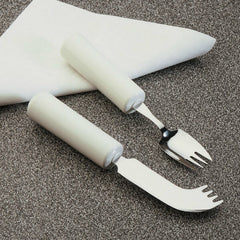
Understanding Different Types of Adaptive Cutlery
Not all arthritis-friendly cutlery is created equal, and that's actually a good thing. Your specific challenges—whether it's a weak grip, shaky hands, limited wrist movement, or trouble cutting—will determine which design works best for you.
Built-Up Handle Cutlery for a Better Grip
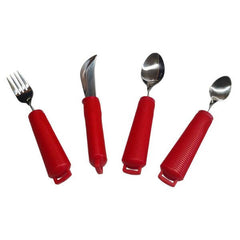
You know how sometimes holding a pencil feels like gripping a toothpick? Built-up handle cutlery solves that problem with thick, cushioned handles. These larger handles spread pressure across your whole hand instead of concentrating it on your finger joints.
The soft materials—usually foam or silicone—give you something comfortable to hold onto that won't slip away when your grip isn't what it used to be. It's perfect if you find your fingers aching after meals or if you just can't squeeze as tightly as you once could.
Weighted Cutlery for Improved Control and Stability
Have you ever tried drinking coffee during a job interview? That nervous shakiness is something people with hand tremors experience with every bite. Weighted utensils add some heft to the handle, which helps calm those involuntary movements.
The science is pretty fascinating—the extra weight essentially dampens the tremor, like how a heavy blanket feels calming. For people with Parkinson's or essential tremor, this can mean fewer spills and less food ending up everywhere except your mouth. It's not about strength but stability.
Lightweight Utensils to Reduce Fatigue
On the flip side, sometimes weight is the enemy. If your hands or arms tire quickly, lightweight options can be a blessing. Imagine holding even a regular fork when your hands feel weak—it's like holding a dumbbell by the end of a meal.
These lightweight alternatives give you the benefit of an ergonomic shape without wearing you out before you've finished eating. They're all about conserving your energy so that eating doesn't feel like an endurance sport.
Angled and Curved Utensils for Limited Wrist Motion
Think about the motion your wrist makes when bringing food to your mouth—there's quite a bit of rotation happening. Angled cutlery cleverly bends the head of the spoon or fork so your wrist doesn't have to.
It's such a simple solution but makes a massive difference if you've got wrist pain or stiffness. The utensil does the bending instead of your body. For people with severe arthritis or contractures, this design can be an absolute game-changer.
Specialised Knives for Safe and Easy Cutting
Cutting food is probably the most demanding task at the table. It requires strength, coordination, and wrist flexibility—three things arthritis loves to attack. A rocker knife completely reimagines cutting. Instead of sawing back and forth, you simply rock the curved blade down through your food using your arm strength, not your wrist.
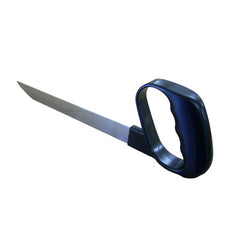
Other clever designs include knives with vertical handles that let you cut with your hand in a more natural, less painful position. These tools can be the difference between needing someone to pre-cut your food and maintaining your independence at the table.
Key Features to Consider in Ergonomic Silverware
When you're looking for the right utensils, certain features will make a bigger difference depending on your specific needs.
Handle Material and Grip Texture
The handle is where the magic happens in adaptive cutlery. Look for non-slip materials like silicone or rubber that won't slide around in your hand. Many have ribbed or textured surfaces—kind of like how hiking boots have treads to prevent slipping.
These cushioned grips reduce the force needed to hold the utensil securely. It's not just about comfort (though that's important too)—it's about making every meal less of a physical challenge.
Utensil Materials and Durability
While the handles might be specialized, the business end of good adaptive cutlery—the fork tines or spoon bowls—are typically made from stainless steel. This ensures they're hygienic, long-lasting, and easy to clean.
And speaking of cleaning—check if your chosen cutlery is dishwasher safe. It might seem like a small detail, but when you're already dealing with hand pain, the last thing you want is to hand-wash specialized utensils.
Specialised Functions for Unique Needs
Some adaptive eating utensils get even more creative with their solutions. Swivel spoons are pretty incredible—they're designed to keep the spoon bowl level no matter how your hand or wrist is positioned. Think of it like those self-leveling camera gimbals, but for your soup.
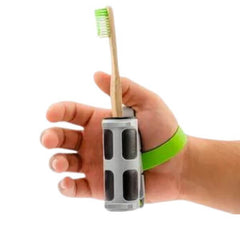
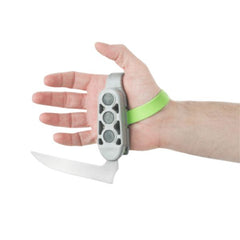
For those with extremely limited hand strength, universal cuffs can strap the utensil directly to your hand, eliminating the need to grip anything at all. These specialized functions show how thoughtful design can solve even the most challenging limitations.
How to Choose the Right Cutlery for Arthritic Hands
Finding the right solution starts with identifying your main difficulty. Here's a quick guide:
If you experience general pain and weakness in your grip, start with those built-up, cushioned handles. They'll give you something substantial to hold onto without requiring much squeezing.
Dealing with shaky hands? Weighted utensils might be your best bet for adding stability to each bite.
If your wrists don't bend like they used to, look for angled cutlery that does the twisting for you.
And if cutting is your nemesis, a rocker knife could restore your ability to prepare your own food at the table.
Most people end up mixing and matching different types to create a complete set that addresses all their needs. It might take some experimentation, but finding the right combination can transform mealtimes from frustrating to enjoyable again.
Frequently Asked Questions about Cutlery for Arthritis
What is adaptive cutlery?
Adaptive cutlery (sometimes called arthritis cutlery or ergonomic silverware) is specially designed for people struggling with hand strength, tremors, or limited joint movement. These aren't just fancy utensils—they're engineered tools with features like large soft-grip handles, added weight for stability, or angled heads that make eating less painful and more dignified.
How do weighted utensils help with hand tremors?
It's all about physics, really. The heavier handles provide feedback to your brain (called proprioceptive feedback), and the added mass helps counteract those involuntary movements. Think of it like trying to shake a feather versus trying to shake a book—the heavier object resists rapid movement. This added stability makes it easier to guide food where you want it to go without spills.
What is a rocker knife?
A rocker knife has a curved blade that lets you cut with a simple downward rocking motion. Instead of the traditional sawing that's hard on wrists, you just need to press down and rock the blade back and forth over your food. It uses the strength of your arm rather than relying on your wrist and fingers, which is perfect if you have a weak grip or limited wrist mobility.
Are most adaptive eating utensils dishwasher safe?
Many are designed to be dishwasher safe, especially those with stainless steel heads and durable plastic or silicone handles. But always check the manufacturer's instructions—some materials or weighted components have specific care requirements. The last thing you want is to damage your helpful tools by cleaning them incorrectly.
How do I know which type of arthritis cutlery is right for me?
It really comes down to your specific challenges. If gripping is your main issue, go for those large, built-up handles. Shaky hands? Try weighted utensils. Limited wrist movement? Angled designs might help.
If you're really not sure, an occupational therapist can be incredibly helpful—they can watch how you eat and make professional recommendations based on your specific limitations. Sometimes having that outside expertise makes all the difference in finding the perfect solution.