




Best Mobile Shower Commodes
Mobile Shower Commodes for Safety and Independence
Let's be honest - bathroom safety isn't exactly dinner table conversation, but when you or someone you love struggles with mobility, it becomes one of the most important topics in the world. I've seen how the right equipment can transform daily life from a source of anxiety to a manageable routine.
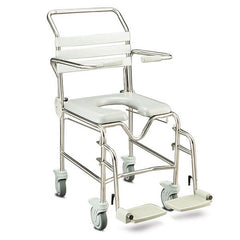
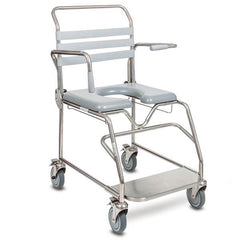
Mobile shower commodes are game-changers in this space. They're those wheeled chairs that do triple duty - they work as a toilet chair, shower seat, and transport chair all in one. Think of them as the Swiss Army knife of bathroom mobility aids. They let people move between bedroom, toilet and shower without multiple transfers, which means fewer opportunities for falls and more dignity preserved.


Types of Mobile Shower Commodes
There's no one-size-fits-all when it comes to these helpful devices. The right choice depends entirely on who's using it and how.
Attendant-Propelled Commodes
These are the ones with four smaller wheels, designed for someone else to do the pushing. If you're caring for someone who doesn't have the upper body strength to wheel themselves around, or who needs full assistance, this is your go-to option. The back usually has handles that make it easier for you to maneuver them safely.
Self-Propelled Commodes
Look familiar? They should - these have that wheelchair-style design with two large wheels in the back that the user can grip and push themselves. The difference is in the details - they're built to handle water and have that commode opening. For someone who values their independence and has decent arm strength, these can be life-changing. There's something powerful about being able to handle your own bathroom routine without calling for help.
Specialised Models: Bariatric and Tilt-in-Space
Sometimes standard just doesn't cut it. Bariatric models are built stronger and wider to support more weight safely. And then there are tilt-in-space commodes - these can be reclined while keeping the seat-to-back angle the same. If you've ever cared for someone who sits for long periods, you know how crucial this can be for preventing pressure sores and improving comfort.
Key Features for Selection
It's the little things that make a huge difference in daily use. Here's what to look for:
Frame Materials: Durability and Environment
You're looking at equipment that's going to live in a wet environment and deal with, well, bodily functions. The material matters. Stainless steel is nearly bombproof but heavier. Aluminum gives you that rust resistance with less weight. Some models use PVC, which is super lightweight but might not be as durable for long-term use. Think about who's going to be lifting or moving this chair when it's not in use.
Wheels, Casters, and Braking Systems
Trust me on this one - brakes aren't optional. You absolutely need wheels that lock securely during transfers. There's nothing scarier than a chair that starts rolling when someone's trying to sit down or stand up. The brakes should be easy to engage, even for someone with limited hand strength or arthritis.
Seat Design and Comfort
Comfort might seem like a luxury until you realize someone might be sitting on this seat for extended periods. Padding can make a world of difference. The opening (or aperture) should be positioned to make hygiene care easier, whether that's self-care or assisted care.
Armrests and Footrests for Accessibility
Drop-arm commodes let you lower one or both arms out of the way for side transfers - a huge help if moving from a bed or wheelchair. And don't overlook those footrests. Being able to swing them away means the user can get their feet firmly planted for safer standing transfers if they're able.
How to Choose the Right Rolling Shower Commode
This is where you really need to think about the specific situation:
Assessing User Needs and Mobility
Start with honest questions: How much can the user do independently? Do they want to self-propel if they can? How's their balance when sitting? Someone with poor trunk control might need more back support or even that tilt function I mentioned earlier.
Measuring for Size and Weight Capacity
Get this wrong and the commode won't work—or worse, could be dangerous. Check weight capacity first. For bariatric users, don't compromise on this point. Then measure doorways in your home—every single one the commode will need to pass through. Nothing's more frustrating than getting equipment home and finding it won't fit through the bathroom door.
Considering the Bathroom Environment
Your bathroom layout will dictate some of your choices. Is there a roll-in shower or a lip to navigate? Will the commode need to fit over a standard toilet? In small bathrooms, every inch counts, so you might need something more compact or even foldable.
Safety and Hygiene
These two factors can make or break the success of using a mobile shower commode.
Safe Use and Transfers
Always lock those wheels before transfers—every single time, no exceptions. Make use of those drop-arms and swing-away footrests to create the clearest path possible. And if you're a caregiver, please get proper training on transfer techniques. Your back will thank you, and the person you're caring for will be safer.
Cleaning and Maintenance Protocols
Let's be real—this equipment gets messy. Establish a regular cleaning routine using appropriate disinfectants. Empty and clean that commode bucket after each use—no one wants odors or infection risks. And periodically check all the moving parts to make sure everything's working properly.
When chosen carefully and maintained well, a mobile shower commode can be the difference between dreading personal care and managing it with dignity. And really, isn't dignity what we all want for ourselves and those we care for?