




Best Over Toilet Aids
Let's talk about bathroom independence. It's one of those things we never think about until suddenly, it's not so easy anymore. Whether it's aging joints, recovery from surgery, or managing a disability, the simple act of using the toilet can become complicated and even dangerous. That's where over toilet aids come in – they're not the most glamorous products, but honestly, they can be life-changing.
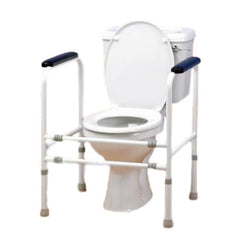
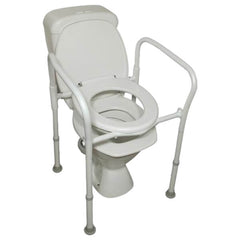
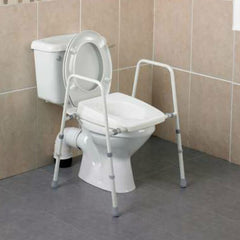

Enhance Bathroom Safety and Independence
The bathroom is where we're most vulnerable – it's wet, there are hard surfaces everywhere, and we're doing movements that require balance and strength. Over toilet aids are basically your bathroom buddies, designed to make sitting down and standing up from the toilet safer and less physically demanding.
These devices – toilet frames, surrounds, and raised seats with arms – create stability where there often isn't any. Think about it: standard toilets weren't designed with mobility challenges in mind, and those slippery bathroom floors aren't doing anyone any favors. For seniors, people healing from surgery, or anyone with mobility issues, these aids can mean the difference between needing help and maintaining privacy and independence.
Types of Over Toilet Aids
Freestanding Toilet Frames
Picture a sturdy frame that sits around your toilet without actually attaching to it. That's a freestanding toilet frame (sometimes called a toilet surround). These frames give you something solid to grip on both sides when you're lowering yourself down or pushing yourself up.
The beauty of these is their simplicity – most don't require any complicated installation. You just position them around the toilet, and they're ready to go. They're particularly helpful when you need that extra leverage but don't want to permanently modify your bathroom.
Combination Raised Seat and Frame Units
Sometimes you need more than just armrests – you need the toilet itself to be higher. That's where combination units come in. These clever devices give you both armrest support and raise the height of the seat.
If you've ever had knee or hip issues, you know that lowering yourself down to a standard toilet height can feel like a mountain-climbing expedition in reverse. These combination units reduce how far you need to bend, which is a massive relief if you're recovering from hip or knee surgery.
Some of these are even more versatile, working as 2-in-1 or 3-in-1 commodes that can be used over your toilet or as a standalone option elsewhere in the house. Pretty handy for middle-of-the-night situations or recovery periods.
Bariatric Over Toilet Aids
For larger individuals, standard toilet aids might not provide the necessary support or stability. That's where bariatric models come in. These heavy-duty frames are built stronger, wider, and more robust, using reinforced materials like steel or aluminum.
They're specifically engineered to support higher weight capacities and typically offer more room for comfort. The adjustable width settings and increased weight ratings make them a safe choice for bariatric users who need reliable support during toilet transfers.
Key Features to Consider When Choosing a Toilet Aid
Height and Width Adjustability
One size definitely doesn't fit all when it comes to toilet aids. The best frames offer adjustable legs so you can set the armrests at just the right height – ideally where your elbows bend at a comfortable angle when you grip them.
Think about it: if the armrests are too high, you'll strain your shoulders; too low, and you'll struggle to push yourself up. Some frames also let you adjust the width to fit different toilet sizes or to create more space if needed. These customization options make a world of difference in comfort and safety.
Weight Capacity
This is a non-negotiable safety feature. Always, always check the weight rating before purchasing. Standard models typically support up to 150 kg, but if you need more, look for heavy-duty or bariatric options.
Using a frame that's not rated for your weight isn't just uncomfortable – it's dangerous. The last place you want equipment failing is in the bathroom, so make sure your toilet aid can comfortably support your full body weight with room to spare.
Armrest Design
The armrests are where the magic happens – they're what you'll grip when sitting or standing. Some have padded or contoured grips that make them easier and more comfortable to hold, which is especially important if you have arthritis or hand weakness.
The shape and positioning of the armrests matter too. They should guide your natural movement as you stand up or sit down. Some designs have angled armrests that follow the natural arc of your arms during these motions, making the process more intuitive and requiring less strength.
Materials and Stability Features
Most toilet aids are made from either powder-coated steel or aluminum. Steel offers tank-like durability, while aluminum gives you a good balance of strength and lightweight convenience (plus it won't rust in the damp bathroom environment).
But the material is only part of the story – look for non-slip rubber feet that grip the floor even when it's wet. Some models also have cross-bracing for extra stability. These details might seem minor, but when you're balancing over a toilet, every bit of stability counts.
Who Can Benefit From Over Toilet Aids?
Seniors and the Elderly
As we age, our muscles weaken, our balance gets a bit wonky, and suddenly, everyday activities become challenging. For many seniors, the bathroom is where independence is first threatened.
A good toilet frame can be the difference between needing assistance for bathroom visits and maintaining dignity and self-sufficiency. It provides the stability that aging bodies need to safely navigate toileting without fear of falling – and we all know bathroom falls can be particularly dangerous.
Post-Surgery Recovery
If you've had hip or knee surgery, you've probably been given a list of movement restrictions as long as your arm. Bending past certain angles or putting weight on the affected side can jeopardize your recovery.
During this vulnerable time, an over toilet aid (especially with a raised seat component) helps you follow those medical guidelines by reducing how much you need to bend. The armrests give you control as you lower and raise yourself, which is crucial when you're healing and trying to protect a surgical site.
Individuals with Disabilities or Limited Mobility
For people living with conditions like arthritis, Parkinson's, or the effects of a stroke, toilet aids can be transformative. These conditions often affect strength, coordination, or balance, making standard toilets difficult or risky to use.
With the right support frame, toileting becomes less physically demanding and more secure. That means more independence, less fatigue, and reduced anxiety about bathroom visits – all of which contribute to overall quality of life.
Comparing Toilet Frames to Other Bathroom Aids
Toilet Frames vs. Toilet Grab Bars
The main difference here is permanence versus portability. Grab bars require drilling into your bathroom walls for installation – they're a more permanent solution. Toilet frames, on the other hand, just sit around your toilet and can be moved if needed.
Frames also offer support on both sides (bilateral support), which gives you more stability than a single grab bar. This dual-sided approach lets you push evenly with both arms when standing up, which feels more natural and requires less strength.
If you're renting, or if you're not ready to modify your bathroom permanently, a toilet frame gives you the support you need without the commitment of installation.
Toilet Frames vs. Raised Toilet Seats
Think about what you find most difficult about using the toilet. Is it the low height, or is it the lack of something to push against when standing up?
A raised toilet seat addresses the height issue by adding several inches to your existing toilet, reducing how far you need to lower yourself. But most basic raised seats don't include armrests, so you still lack leverage for standing.
A toilet frame, meanwhile, is all about the arm support but doesn't change the height of your seat. Some products combine both features, giving you the best of both worlds. Your specific needs should guide which solution (or combination) makes the most sense for you.
Frequently Asked Questions
How do I choose the right over toilet aid?
Start by thinking about what specifically makes toileting difficult for you or your loved one. Is it standing up? Sitting down? Do you need extra height, arm support, or both?
Consider the user's mobility level, weight, and height. Also grab a tape measure and check the space around your toilet – some frames need more room than others.
If you're recovering from surgery or managing a specific medical condition, it's worth talking to an occupational therapist for personalized recommendations. They can assess your needs and suggest the most appropriate aid.
Are toilet safety frames safe?
Yes, when used properly, toilet safety frames are very safe. But like any equipment, they need to be set up correctly. Make sure you follow the assembly instructions carefully and adjust the height to suit the user.
Always check that the frame is on level ground, that it's rated to support the user's weight, and that those rubber feet are making good contact with the floor. A properly set up toilet frame actually prevents accidents rather than causing them.
How do you measure for a toilet frame?
This is where a tape measure becomes your best friend. Measure your toilet's width at its widest points (both the tank and the bowl) to make sure the frame will fit around it. Also measure from the floor to the top of the toilet seat.
Don't forget to check how much floor space you have on each side and in front of the toilet – you need enough room for the frame's legs.
For the user, measure from the floor to the back of their knee, which helps determine a comfortable seat height. And when possible, have them sit to figure out where the armrests should be positioned for optimal leverage.
What is the difference between a toilet frame and a commode?
A toilet frame is designed to work with your existing toilet, providing support as you sit and stand. A commode, on the other hand, is a standalone chair with a removable bucket underneath – essentially a portable toilet.
Some versatile models (often called 3-in-1 commodes) can do both jobs. With the bucket in place, they work as a bedside commode. Remove the bucket, and you can position them over your existing toilet. Some can even be used as shower chairs, which is pretty handy for comprehensive bathroom assistance.
Remember, choosing the right bathroom aid isn't about acknowledging limitations – it's about creating solutions that let you or your loved ones live with greater confidence and independence. The bathroom should be a place of privacy and dignity for everyone, regardless of mobility challenges.