


How to Set the Right Height on Your Walking Stick or Frame

Getting the height right on your walking stick or frame is one of the most important things you can do for your comfort, safety, and independence. A poorly set aid — even by just 2 cm — can lead to shoulder strain, back pain, or an unstable walking pattern. The good news is that adjusting most modern aids takes less than a minute. In this article Why getting the height right matters Too high: shoulder strain and hunching Too low: back pain and instability How to find your correct height The wrist method (walking sticks and quad canes) The elbow...
- Tags: adjust walking frame height, aged care, how to adjust walking stick height, mobility aids australia, mobility tips, walking aids, walking frames, walking stick height adjustment, walking sticks, wrist method walking stick
Can a Walking Stick Help With Osteoarthritis Knee or Hip Pain?

Yes — a walking stick can ease the pain of osteoarthritis in the knee or hip. By taking some of your body weight off the sore joint, it reduces the load that triggers pain when you walk. Physiotherapists often suggest a stick as a simple, practical step. Here is how it helps, and how to choose and use one so you feel the benefit. How a stick eases joint pain Osteoarthritis pain often flares when a worn joint bears your full weight with each step. A stick changes that. When you push down through the stick, it carries part of...
- Tags: arthritis mobility aids, arthritis walking aids, does a walking stick help arthritis, ergonomic walking stick, joint pain relief, mobility aids, walking stick for arthritis, walking stick hip pain, walking stick knee pain, walking stick osteoarthritis, walking sticks
Do Doctors Recommend Walking Sticks? When You Should Use One

Yes, doctors do recommend walking sticks, and so do physiotherapists and occupational therapists. They suggest them often, for balance problems, joint pain, fall prevention and recovery after illness or surgery. Reaching for a stick is a positive step, not a sign that you are giving in. Here is when they tend to suggest one, and the signs worth watching for. When a stick is usually recommended A walking stick is one of the first things a clinician suggests when someone needs a little more steadiness. Doctors commonly recommend a stick for unsteadiness or poor balance, hip or knee pain that...
- Tags: aged care walking aids, balance, do doctors recommend walking sticks, fall prevention, independence, mobility aids, physio recommended walking stick, walking stick for elderly, walking sticks, when to start using a walking stick, when to use a walking stick
Which Leg Moves First With a Walking Stick or Cane?

It is a small question that makes a real difference to how steady you feel. When you walk with a stick or cane, your weaker leg and the stick move forward first, together. Your stronger leg then steps through. Here are clear, quick answers to the questions we hear most often about getting the rhythm right. Walking on flat ground On level ground, the pattern is the same every time. Move the stick and your weaker leg forward at the same time. Let them share your weight as you step. Bring your stronger leg through, past the stick. Settle into...
- Tags: aged care, cane walking tips, how to use a walking stick, how to walk with a cane, mobility aids, walking aid technique, walking cane, walking stick for elderly, walking stick technique, walking sticks, which leg first cane
Walker vs Walking Frame vs Walking Stick: What's the Difference?

In Australia, the words "walker", "walking frame", "rollator", and "zimmer frame" often get used interchangeably — even by healthcare professionals. That's understandable, but they're not all the same thing. This guide explains what each walking aid actually is, how much support it offers, and who it suits best. In this article The Three Main Walking Aids Explained How Much Support Do You Actually Need? A Note on Australian Terminology Funding Options to Know About The Three Main Walking Aids Explained Walking Stick A walking stick is a single-point aid held in one hand. It offloads weight from one side of...
- Tags: aged care equipment, comparison, mobility aids, rollators, seniors australia, walker vs walking frame, walking aid comparison, walking aids, walking frames, walking sticks, which walking aid do i need, zimmer frame
Are Walking Sticks Good for You? Benefits and Risks

Yes, a walking stick can be genuinely good for you, provided it is sized properly and used the right way. It can take real strain off a sore joint, steady your balance and help you stay active and independent. It is also fair to ask about the downsides. Here is an honest look at the benefits, and the few risks worth knowing so you get the good without the bad. The real benefits A walking stick does more than give you something to lean on. Used well, it changes how you move for the better. Less joint strain. A stick...
- Tags: aged care equipment, are walking sticks good for you, balance, fall prevention, independence, mobility aids, stability aids, walking stick Australia, walking stick benefits, walking stick for elderly, walking sticks
How to Go Up and Down Stairs With a Walking Stick

Stairs are the part many people worry about most, and that worry is completely fair. With the right technique, though, a walking stick can help you manage steps safely and steadily. There is a simple phrase that makes it easy to remember: up with the good, down with the bad. Here is how it works in practice. Going up the stairs Going up, your stronger leg leads the way. Hold the handrail with your free hand if there is one. Step up with your stronger leg first. Bring your weaker leg and the stick up to the same step together....
- Tags: aged care at home, fall prevention, how to go up and down stairs safely, how to use a walking stick, mobility aids, stair safety elderly, walking stick safety, walking stick stairs, walking stick tips, walking sticks
How to Measure a Walking Stick to the Right Height

A walking stick set to the wrong height does more harm than good. Too tall and it strains your shoulder and wrist. Too short and you end up stooping, which throws off your balance and tires your back faster than you might expect. The good news is that getting the height right takes about a minute. Here is how to do it, whether you are fitting a stick at home or measuring up for an online order. The simple way to measure This is the same method physiotherapists use, and you can do it yourself at home without any special...
- Tags: adjustable walking stick, correct walking stick height, how tall should a walking stick be, how to measure a walking stick, mobility aids, mobility aids australia, walking aid fitting, walking stick fitting, walking stick height, walking stick sizing, walking sticks
Which Side Should You Hold a Walking Stick? Good Leg or Bad

Here is the short answer: hold your walking stick in the hand on the opposite side to your weaker, sore or injured leg. So if your right knee is the problem, the stick goes in your left hand. It is the most common thing people get wrong, and once you understand why, the technique clicks straight away. Why the opposite side is correct It feels natural to hold a stick on your sore side, but that is not how the body works best. When you hold the stick on the opposite side, it widens your base of support and lets...
- Tags: aged care mobility, cane opposite side, how to use a walking stick, mobility aids, walking aid technique, walking cane good or bad side, walking stick correct side, walking stick tips, walking stick which side, walking sticks, walking technique
Quad Walking Stick vs Single-Point Cane: Which Do You Need?

A quad walking stick has four tips on the ground. A single-point cane has one. That small difference changes how each one feels underfoot, and which is right for you depends entirely on the support you need right now. Here is a clear, side-by-side comparison so you can choose with confidence. How the two compare The core trade-off is straightforward. A quad stick gives you more stability. A single-point cane gives you more freedom to move. Feature Quad stick Single-point cane Stability Higher Moderate Weight Heavier Lighter Stands on its own Yes No Stairs and tight spaces Trickier Easier Walking...
- Tags: aged care walking aids, cane vs walking stick, mobility aids, quad cane, quad cane vs cane, quad walking stick, single-point cane, walking aids for elderly, walking canes, walking stick for balance, walking sticks
How to Use a Walking Stick Correctly (Step by Step)

Using a walking stick the right way is the difference between feeling steady and feeling unsure. The good news is that the technique is simple once someone shows you, and it quickly becomes second nature. Here's a clear, step-by-step guide to walking safely with your stick, getting up and down, and avoiding the most common mistakes. Getting the basics right first Before your first step, two things need to be sorted: the height of the stick and which hand holds it. Stand upright in your normal shoes with your arms relaxed. The handle should sit level with the crease of...
- Tags: aged care mobility, how to use a walking stick, how to walk with a cane, mobility aids, walking aids for elderly, walking cane safety, walking stick height, walking stick technique, walking stick tips, walking sticks
Types of Walking Sticks: Which One Is Right for You?

Choosing a walking stick sounds simple until you start looking. Single-point, quad, folding, adjustable, wooden, ergonomic grips: the choices add up fast, and getting it wrong can mean discomfort or a stick that does not feel safe. We understand this is rarely just a shopping decision. It is about staying steady, confident and independent. Here is a clear guide to every main type of walking stick, who each one suits, and how to pick the right fit for you or someone you love. The main types of walking sticks Most walking sticks fall into a handful of clear categories. Once...
- Tags: adjustable walking stick, aged care, buying guide, folding walking stick, mobility aids, quad walking stick, seniors, types of canes, types of walking sticks, walking aids, walking canes, walking stick for elderly, walking sticks
Folding Walking Sticks: Are They Worth It?

A folding walking stick collapses into three or four sections, so it tucks neatly into a handbag, a car door pocket, or a suitcase. For a lot of people, that convenience is the whole point. But is a folding stick the right choice, or would you be better off with a solid one? The honest answer depends on how you plan to use it. Here is who folding sticks suit, what they do well, and the trade-offs worth knowing before you decide. How folding walking sticks work A folding stick is built from hollow sections joined by an internal elastic...
- Tags: adjustable walking stick, are folding walking sticks good, buying guide, collapsible walking stick, folding cane, folding walking stick, mobility aids, travel walking stick, walking canes, walking stick australia, walking stick for travel, walking sticks
Essential Items to Have in Your Home for When Elderly Relatives Come to Visit
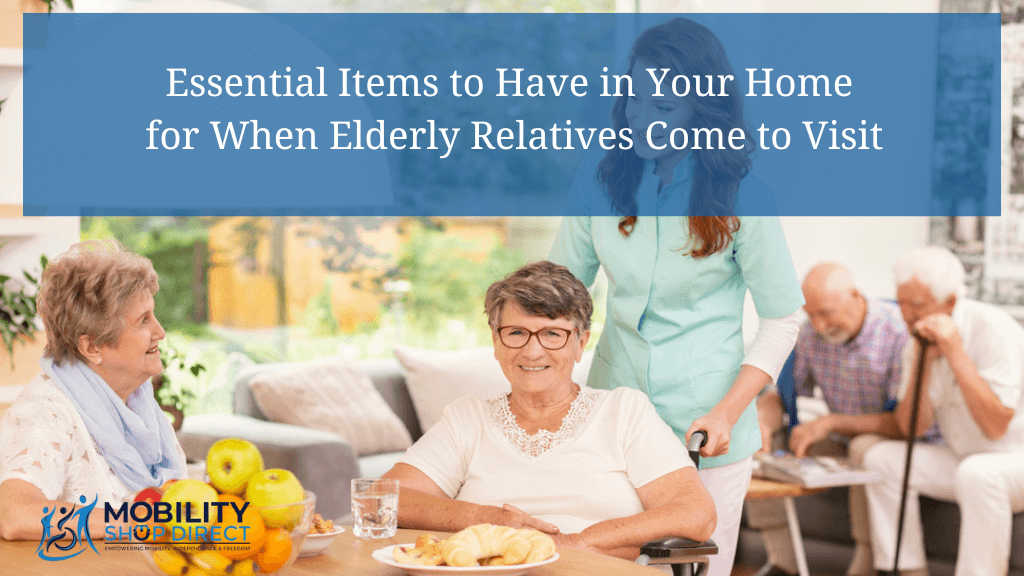
Hosting elderly relatives can be a wonderful experience, but it also comes with the responsibility of ensuring their safety and comfort. Whether your loved ones are staying for a day or a few weeks, having the right equipment can make all the difference. This guide will walk you through the essential items that will help your elderly relatives feel right at home, while also being easy to store away when not in use. Here are some practical solutions to make their visit smooth and enjoyable. Key Takeaways Safety First – Equip your home with aids to help prevent falls,...
- Tags: bathing aids, elderly care, Elderly Comfort, fall prevention, Home Accessibility, Home Health Care, home safety, mobility aids, Rehabilitation Products, Senior Independence, Senior Visitors, Toileting Aids, Visiting Elderly Relatives, walking sticks, wheelchairs
3 Types of Mobility Aids to Help You Stay Mobile

If your mobility has been compromised due to injury or old age, then you may need to consider using a mobility aid to stay mobile. By staying mobile you can continue with your day to day activities, and participate in social gatherings. But to reap all the benefits of mobility aids, you need to choose the right one to suit you specific needs and also: Provides proper postural support Is easily adjusted to your specific height Is safe to use for your weight range Today we'll focus on the three types of mobility aids and the role they play in...
- Tags: balance aids, crutches, manual wheelchairs, rollators, support aids, transport aids, walkers, walking sticks, wheelchairs
Recent Post
-

-

-

-

Which Leg Moves First With a Walking Stick or Cane?
Oct 23, 2026 -

-

Are Walking Sticks Good for You? Benefits and Risks
Oct 20, 2026 -

How to Go Up and Down Stairs With a Walking Stick
Oct 17, 2026 -

How to Measure a Walking Stick to the Right Height
Oct 14, 2026 -

-


